Table of Contents (12 sections)
Virtual reality (VR) is revolutionizing automotive training, providing an immersive experience that enhances learning outcomes and safety. In this article, we will explore best practices for effectively leveraging this powerful technology in the automotive sector. Below is an overview of what we'll cover:
Table of Contents
- Understanding Virtual Reality in Automotive Training
- Creating Immersive Learning Environments
- Customizing VR Content for Specific Skills
- Integrating VR with Traditional Training Methods
- Evaluating Training Effectiveness Through Data
- Best Practices for VR Hardware and Software
- Safety Measures When Using VR
- Addressing Common Challenges in VR Training
Understanding Virtual Reality in Automotive Training
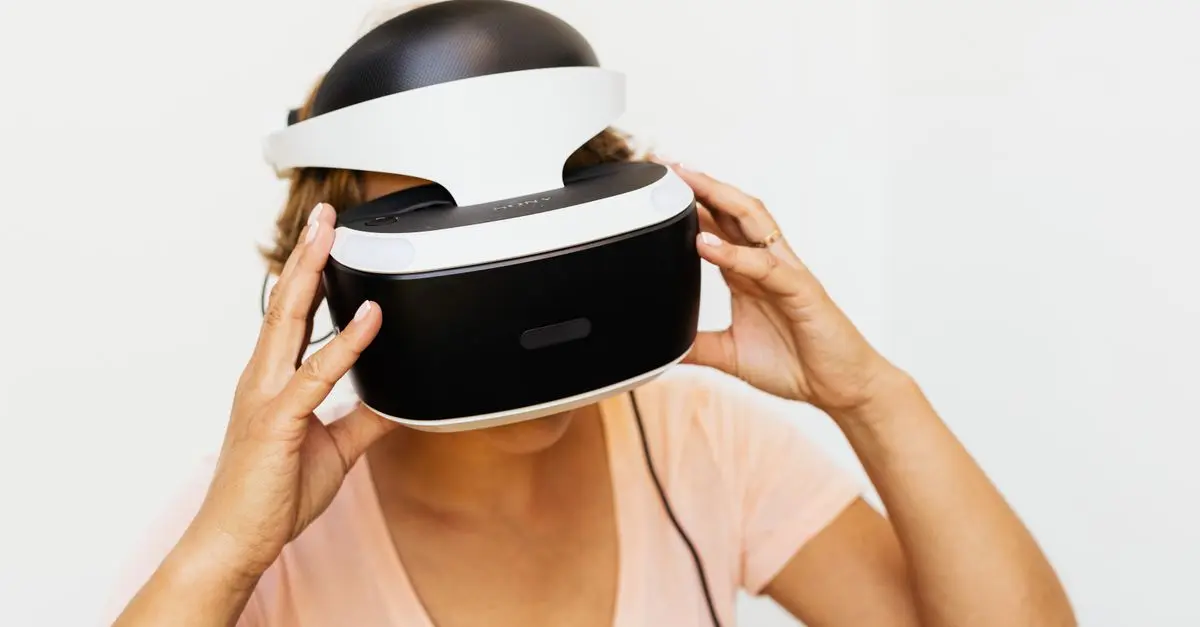
Virtual reality technology involves creating a computer-generated environment that can simulate real-world activities. In the context of automotive training, this means trainees can engage with lifelike scenarios, such as repairing engines or performing safety checks, without the need for physical components. VR not only enhances learner engagement but also allows for repetition and practice in a controlled environment.
According to a recent report from Les Numériques, VR training can improve retention rates by as much as 75% compared to traditional training methods. This is especially critical in automotive training, where accurate knowledge and skills can significantly impact safety and efficiency in real-world applications. Implementing VR technology can also help organizations reduce the costs associated with materials and physical equipment needed for training.


invisaWear Technologies Corporation Safety Classic Keychain - Gold Flower
sharperimage.com

Argon Technologies Inc., dba Klymit Rightline Gear Memory Foam Camp Pillow - Green - Large
sharperimage.com
Creating Immersive Learning Environments
Creating an immersive learning environment with virtual reality requires attention to detail and context. The effectiveness of VR training is largely dependent on the realism of the simulations. For instance, manufacturers can create detailed simulations of car assembly lines or diagnostic routines that replicate real-world scenarios drivers face.
When designing training modules, incorporate various sensory stimuli such as visual cues, auditory feedback, and tactile responses through haptic technology. Studies show that multi-sensory experiences lead to deeper learning. Successful examples from industry leaders demonstrate that immersive environments increase trainee engagement and retention.
Customizing VR Content for Specific Skills
Different roles within the automotive industry require different skill sets. Tailoring VR content to address these specific skills ensures that each trainee receives the relevant knowledge they need. For instance, a VR module targeting mechanical engineers may focus heavily on engine diagnostics, while one for customer service representatives might center on customer interaction scenarios.
Customization enhances the relevance of the training, as users can engage deeply with content that directly relates to their job functions. According to UFC-Que Choisir, companies that customize their VR training see a 30% increase in training effectiveness, allowing employees to relate the knowledge gained in the virtual environment directly to their day-to-day tasks.
Integrating VR with Traditional Training Methods
While VR is a powerful tool, it is essential to understand that it should complement, not replace, traditional training methods. Integrating VR with hands-on experiences allows trainees to engage in practical activities, reinforcing what they have learned in the immersive environment. Classes can start with a VR simulation followed by physical training to enhance retention and provide real-time feedback.
For example, a trainee might first learn car repair procedures via VR and then apply those skills with real cars under supervision. This blended approach ensures that employees develop theoretical knowledge and practical skills to handle real-world scenarios effectively.
Evaluating Training Effectiveness Through Data
Data analytics plays a vital role in understanding the impact of VR training. Collecting and analyzing data from VR sessions can provide insights into trainee performance, identifying strengths and areas for improvement. Use metrics such as completion rates, time taken to complete modules, and error rates during simulations.
Studies by educational research organizations indicate that data-driven approaches to training lead to continual improvement. In automotive training, this can mean customizing future training modules based on performance trends, ensuring that the content remains relevant and effective.

SIVACU black wireless Automobile Folding Vacuum Cleaner Hand-held High-power Strong Suction Vacuum Cleaner
shop.simon.com

SIVACU white wireless Automobile Folding Vacuum Cleaner Hand-held High-power Strong Suction Vacuum Cleaner
shop.simon.com
Best Practices for VR Hardware and Software
To maximize VR training effectiveness, investing in high-quality hardware and software is crucial. Trainees should use headsets providing clear visuals and minimal motion sickness. Furthermore, software should be user-friendly, allowing easy navigation and interaction within the simulations. Testing various hardware options before rollout can provide insights into which technology best fits your training needs.
Additionally, regularly updating content to reflect industry changes and incorporating user feedback can enhance the effectiveness of training programs. Organizations like INSEE warn against relying on outdated materials, which could lead to skill gaps and decreased training efficacy.
Safety Measures When Using VR
Implementing VR technology in automotive training requires a focus on safety. VR environments can sometimes cause motion sickness or disorientation; therefore, it’s essential to prepare trainees for their experiences. Screen sessions to ensure participants are comfortable and provide breaks to reduce fatigue.
Clear instructions during setup and throughout the training session reinforce safety practices. Utilizing safety equipment, like padded vests or harnesses, for physical activities can help to minimize risks during hands-on sessions that accompany VR training.
Addressing Common Challenges in VR Training
While VR presents many opportunities, it also poses challenges such as financial investment and resistance to change among staff. It's crucial to create a strong business case to convey the long-term benefits and cost savings associated with VR training.
Providing pilot programs that allow staff to experience VR firsthand can help mitigate resistance. Additionally, training managerial staff on the advantages of VR technology encourages a cultural shift towards embracing innovative training methods.
💡 Expert Insight: A recent program at a major automotive firm adopted VR technology, showing a notable enhancement in employee skills acquisition within just six months of implementation.
Checklist before Implementation
- [ ] Assess the current training program effectiveness.
- [ ] Identify VR hardware and software requirements.
- [ ] Develop customized content relevant to job roles.
- [ ] Conduct pilot testing with selected trainees.
- [ ] Gather feedback and analyze performance data.
Glossary
| Terme | Définition |
|---|---|
| Réalité Virtuelle (VR) | Technologie qui simule un environnement tridimensionnel et immersif permettant l'interaction utilisateur. |
| Immersion | Sensation d’être plongé dans un environnement virtuel, augmentant l'engagement des utilisateurs. |
| Haptique | Technologie fournissant une rétroaction tactile, augmentant l'expérience utilisateur dans la VR. |
📺 Ressource Vidéo
> 📺 Pour aller plus loin : Discover the potential of virtual reality in automotive training, a complete analysis of this innovative approach. Search on YouTube: "virtual reality automotive training 2026".
Incorporating virtual reality into automotive training enhances engagement and can lead to higher retention rates—transforming the way automotive professionals are trained. We have selected several products adapted for automotive training below, which can help enhance the experience.
📺 Pour aller plus loin : virtual reality automotive training 2026 sur YouTube
Recommended products
Selected by our experts
Pred Technologies USA Inc Fingerprint Padlock
sharperimage.com
This biometric padlock can enhance the security of your training facility with keyless access options.
invisaWear Technologies Corporation Safety Classic Keychain - Gold Flower
sharperimage.com
This safety keychain provides peace of mind during training sessions with built-in SOS alerts.
Argon Technologies Inc., dba Klymit Rightline Gear Memory Foam Camp Pillow - Green - Large
sharperimage.com
The comfortable camp pillow enhances relaxation during breaks in intensive training sessions.
SIVACU black wireless Automobile Folding Vacuum Cleaner Hand-held High-power Strong Suction Vacuum Cleaner
shop.simon.com
SIVACU white wireless Automobile Folding Vacuum Cleaner Hand-held High-power Strong Suction Vacuum Cleaner
shop.simon.com