Table of Contents (11 sections)
Automotive maintenance has traditionally relied on diagnostic tools and manual inspections. However, the emergence of virtual reality technology is profoundly changing how automotive professionals and enthusiasts interact with their vehicles. By simulating real-world scenarios, virtual reality (VR) is enhancing training, troubleshooting, and maintenance practices, making them more efficient and engaging for technicians and consumers alike.
What is Virtual Reality in Automotive Tech?
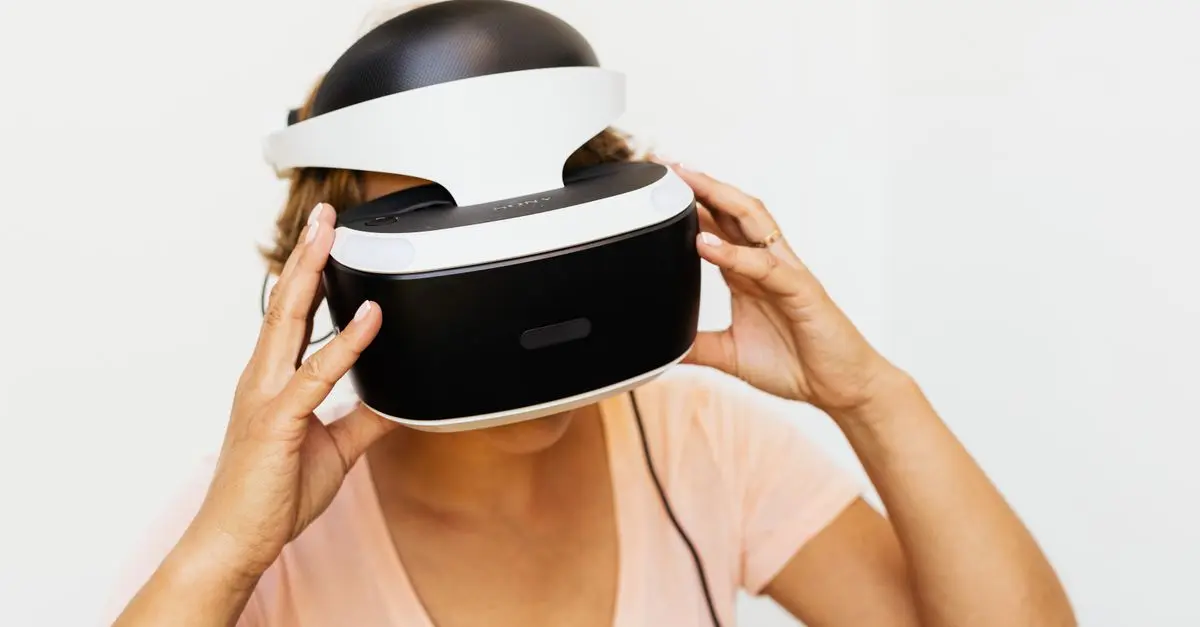
Virtual reality technology creates computer-generated environments that simulate real or imaginary places. In the automotive industry, VR allows technicians to visualize parts, systems, and procedures without needing a physical vehicle. This means they can practice complex repairs and maintenance tasks in a safe, controlled space before applying those skills to a real car.
According to a 2025 report by NVIDIA, incorporating VR into automotive training can boost learning retention rates by up to 70%. This is crucial in an industry where the slightest error can lead to costly mistakes or unsafe conditions. Leading automotive manufacturers like Ford and BMW have invested heavily in VR for training, using it to help technicians understand vehicle systems and diagnose issues more effectively.
How is VR Used in Automotive Maintenance?
The incorporation of VR technology into automotive maintenance practices includes several key applications:
- Training and Simulation: Trainees can experience hands-on scenarios within a virtual environment. For example, they can practice engine repair or electrical diagnostics without the risk of damaging a vehicle.
- Remote Assistance: Technicians can use VR to consult with experts in real-time, accessing guidance and support without needing to be physically present. This remote collaboration can streamline the repair process and ensure that the most qualified personnel are accessible at all times.
- Customer Experience: Dealerships are employing VR for customer vehicle walkthroughs, allowing customers to virtually explore features and enhancements before making a purchase or during maintenance services. This enhances customer satisfaction and trust, as clients feel more informed and engaged in the process.
Step-by-Step Guide to Implementing VR
If you’re an automotive shop owner or enthusiast interested in integrating VR technology, here's a step-by-step guide to help you get started:
- Assess Your Needs: Determine which areas of your business can benefit from VR. Is it training for new technicians, enhancing customer experiences, or aiding in complex repairs?
- Choose the Right Technology: Research and select VR hardware and software that aligns with your goals. Options range from full VR systems with headsets to simpler augmented reality apps that can be used on tablets.
- Train Your Staff: Ensure that your team is adequately trained on using VR systems. This may include specific training sessions on the new tools and troubleshooting common issues.
- Pilot the Program: Start with a pilot program in one area of your business. Collect feedback and make adjustments based on user experiences and outcomes.
- Evaluate and Scale: After analyzing the pilot’s results, consider scaling VR use to additional areas of your operation.
Virtual Reality vs. Traditional Methods
| Feature | Virtual Reality | Traditional Methods | Verdict |
|---|---|---|---|
| Training Efficiency | High - interactive and engaging | Moderate - based on hands-on practice | VR offers superior learning retention |
| Cost | High initial investment, long-term savings | Lower upfront costs, but more mistakes | VR is an investment in quality training |
| Customer Engagement | High - immersive experience | Low - static and traditional | VR enhances customer interest and satisfaction |
The impact of virtual reality technology on automotive maintenance isn't just anecdotal; it's supported by statistics. A study by PWC in 2026 revealed that VR can reduce training time by 40% while improving completion rates significantly. Additionally, engaging with virtual prototypes in design and maintenance has resulted in a 32% reduction in costly recalls, according to a recent review in the Journal of Automotive Engineering.
Expert Opinion
💡 Expert Insight: Many in the automotive field believe that the integration of VR technology is vital for the industry’s evolution. "Incorporating virtual reality into maintenance practices not only streamlines operations but significantly enhances the learning curve for new technicians. It's a game changer for the industry as it adapts to new technological advancements." says Dr. Emma Collins, a leading automotive technology researcher.
{
}
Conclusion
Incorporating virtual reality technology into automotive maintenance is transforming the industry. Not only does it offer enhanced training opportunities, but it also revolutionizes how customers interact with automotive services. As this technology continues to advance, those who adopt VR practices will likely gain a competitive edge in the rapidly evolving automotive landscape.
Checklist Before Implementing VR
- [ ] Assess training needs in your workshop
- [ ] Research available VR systems
- [ ] Train staff on the new technology
- [ ] Pilot the program in one section of your business
- [ ] Collect and analyze feedback from the pilot
- [ ] Scale successful practices across the business
Glossary
| Term | Definition |
|---|---|
| Virtual Reality | A simulated experience that can mimic or completely differ from the real world. |
| Augmented Reality | An interactive experience where computer-generated content is overlaid on the real world. |
| Diagnostics | The process of determining the nature and cause of a vehicle’s issues. |
📺 For further insights: Check out our comprehensive analysis on virtual reality impacts in automotive tech. Search on YouTube: "Virtual Reality in Automotive Industry 2026".
Discover our recommendations for products that enhance your automotive experience below!
📺 Pour aller plus loin : Virtual Reality in Automotive Industry 2026 sur YouTube
Recommended products
Selected by our experts

Pred Technologies USA Inc Fingerprint Padlock
sharperimage.com
This fingerprint padlock is ideal for securing tools and equipment in automotive workshops, enhancing safety during VR training sessions.

invisaWear Technologies Corporation Safety Classic Keychain - Gold Flower
sharperimage.com
The safety keychain is perfect for automotive technicians working on-site, providing peace of mind during remote operations or training.

Argon Technologies Inc., dba Klymit Rightline Gear Memory Foam Camp Pillow - Green - Large
sharperimage.com
A comfortable pillow enhances the VR training experience for technicians who spend long hours engaging with virtual environments.

SIVACU black wireless Automobile Folding Vacuum Cleaner Hand-held High-power Strong Suction Vacuum Cleaner
shop.simon.com

SIVACU white wireless Automobile Folding Vacuum Cleaner Hand-held High-power Strong Suction Vacuum Cleaner
shop.simon.com