Table of Contents (15 sections)
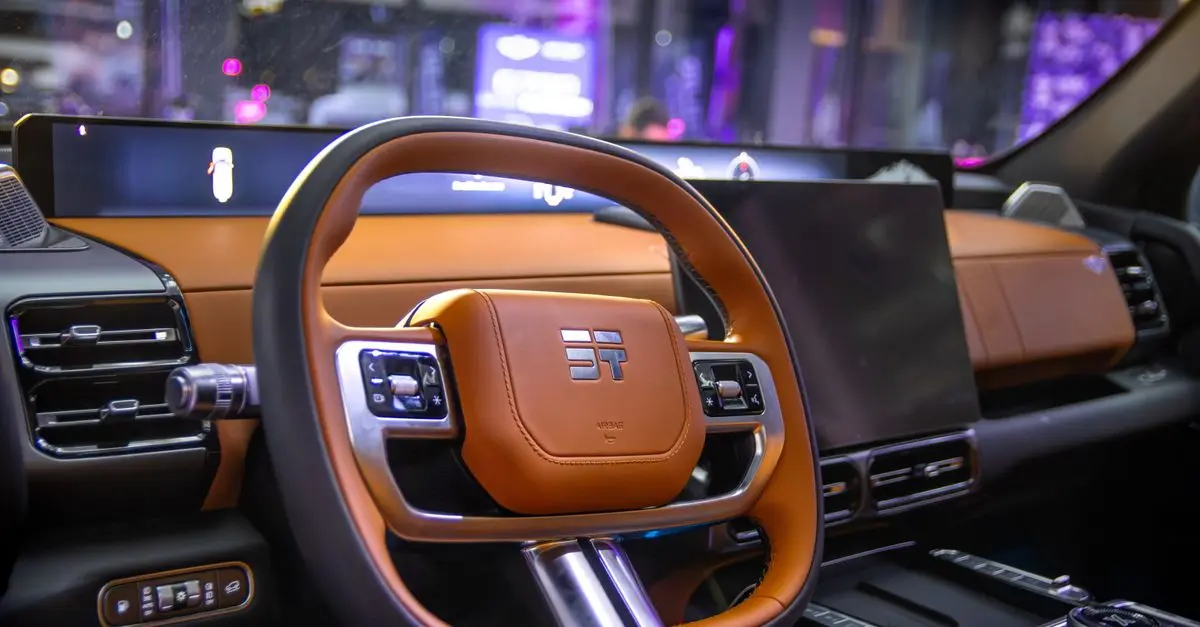
Virtual reality (VR) is revolutionizing the automotive industry, providing immersive experiences that enhance user engagement and interaction with vehicles. Automotive virtual technology is not just about entertainment; it is gradually becoming a critical component in car design, training, and user experience.
By integrating VR into various aspects of automotive design and customer service, manufacturers are transforming how drivers interact with their vehicles. In this article, we will explore how virtual reality is changing the automotive landscape, enhancing user experience and improving safety measures.
Understanding Virtual Reality in Automotive Technology
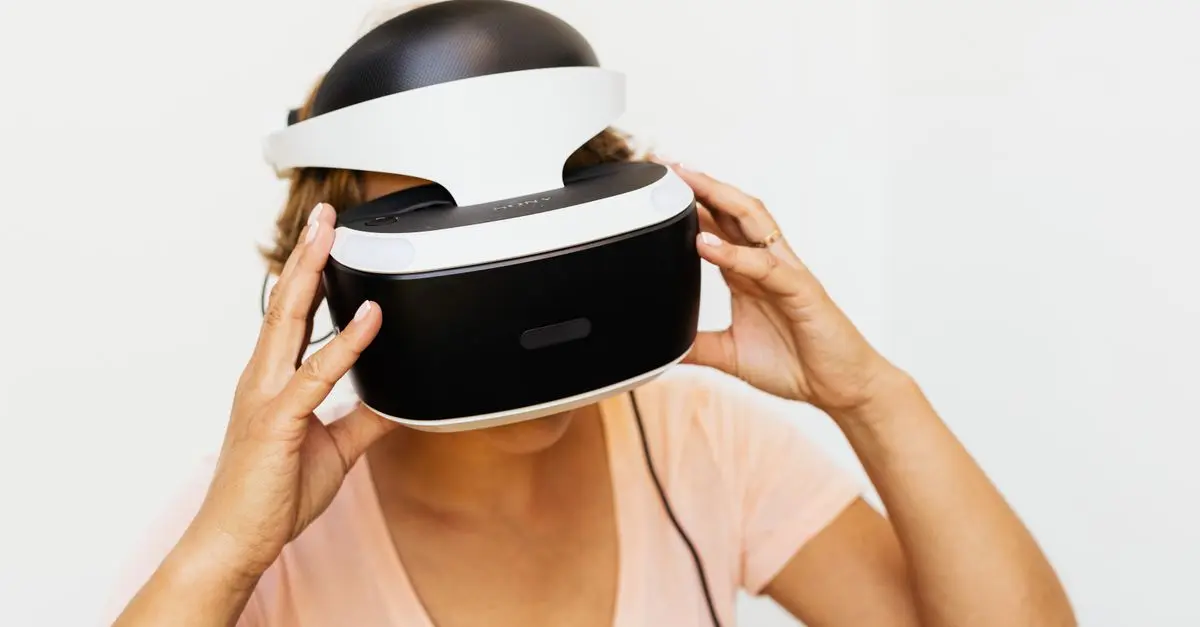
Virtual reality in the automotive sector refers to the use of computer-generated environments to simulate real-life scenarios that drivers might face. Automotive VR technology allows users to experience driving in a safe environment without the real-world consequences of errors.
This technology has several applications, including:
- Driver training: Using virtual environments for new drivers can help them practice various scenarios, such as navigating traffic, adverse weather conditions, or emergency situations, without risk.
- Customer experience: Automotive VR can simulate the look and feel of different vehicle models, allowing potential buyers to explore various features in an immersive way.
- Design and engineering: Engineers can visualize their designs and test vehicle ergonomics in a virtual space before creating physical prototypes, significantly reducing development costs and time.
According to a report by Frost & Sullivan, the global automotive VR market is expected to grow exponentially, driven by advancements in technology and growing consumer demand for better interactive experiences. This growth marks a significant shift in how automotive companies engage with their customers and develop their products.
How Virtual Reality Enhances Driver Training
Virtual reality is increasingly becoming a vital tool in driver training. Traditional training methods often involve a significant risk of accidents during practical exercises. In contrast, VR allows learners to hone their skills in a controlled environment.
- Realistic Scenarios: VR simulations can replicate various driving conditions, equipping learners to handle real-life complications like sudden lane changes, pedestrians darting into the road, and other unpredictable elements.
- Immediate Feedback: Many VR systems provide instant feedback on the user’s performance, offering insights and tips that help learners improve.
- Cost-Effectiveness: By reducing the need for physical vehicles for training, VR technology saves money on fuel, maintenance, and insurance.
Case Study: Companies Utilizing VR for Training
Several automotive companies are already using VR technology in their training programs. For instance, Volvo has implemented virtual reality in their driver’s safety training modules, helping learners to experience potentially hazardous scenarios and learn how to respond appropriately without any danger. The effectiveness of this method has been corroborated by drivers’ improved retention rates and response times during actual driving tests.


invisaWear Technologies Corporation Safety Classic Keychain - Gold Flower
sharperimage.com

Argon Technologies Inc., dba Klymit Rightline Gear Memory Foam Camp Pillow - Green - Large
sharperimage.com
Customer Experience: Virtual Showrooms and Beyond
As customers increasingly seek personalized experiences, automotive manufacturers are turning to virtual reality to create interactive showrooms.
- Immersive Showrooms: Brands like Audi and BMW have introduced virtual showrooms where customers can explore their vehicles virtually. They can customize features and experience the car’s interior and exterior from various angles and settings.
- Enhanced Communication: VR allows for better communication between the customer and salesperson. Potential buyers can ask questions while virtually navigating the car's features, creating a more engaging dialogue compared to traditional methods.
- Accessibility: Virtual showrooms can reach customers who may not have easy access to physical dealerships, significantly expanding market reach.
These changes are instrumental in customer satisfaction and increasing sales conversion rates. Reports show that interactive experiences lead to higher customer engagement, with a large percentage of users preferring VR interactions over conventional shopping methods.
Data-Driven Analysis of VR in Automotive
Several studies indicate that the integration of VR into the automotive user experience has led to considerable advancements in safety and efficiency:
- According to a survey by the National Highway Traffic Safety Administration (NHTSA), nearly 94% of serious crashes are due to human error. Training with VR can significantly reduce these numbers by better preparing drivers.
- Over 60% of consumers report a higher level of engagement with brands that utilize VR, leading to greater customer loyalty.Companies incorporating VR technology see a clear enhancement in customer satisfaction metrics and retention rates, which are crucial in today's competitive market.
| Criteria | VR Training | Traditional Training | Verdict |
|---|---|---|---|
| Safety | High | Medium | VR provides a safer environment |
| Engagement | High | Medium | VR significantly increases engagement |
| Feedback Speed | Instant | Delayed | Immediate insights enhance learning |
How does virtual reality improve customer experience in car sales?
VR enhances customer experience by allowing potential buyers to explore vehicles interactively, customizing features and having real-time conversations about the car’s specifications without visiting a dealership.
Is virtual reality technology costly for automotive companies?
While the initial investment in VR technology can be high, the cost savings in training and customer engagement often outweigh these initial expenses, leading to long-term profitability.
Which automotive companies are currently using VR technology?
Several leading automotive brands, including Audi, BMW, and Volvo, are leveraging VR to enhance driver training and improve customer interaction at showrooms.
✅ Checklist before integrating VR in automotive applications
- [ ] Assess current training methodologies
- [ ] Explore VR technologies available in the market
- [ ] Evaluate software for customer showroom integration
- [ ] Train staff on VR systems and usability
- [ ] Collect feedback from users on VR experiences
Conclusion
The growing integration of automotive VR technology promises to reshape how we perceive vehicles and drive them in our everyday lives. By enhancing both training and customer experiences through immersive interactions, the automotive industry is not only improving safety but also fostering deeper connections with consumers. Companies can leverage these advancements to stay ahead in an increasingly competitive market and deliver superior experiences. As technology continues to evolve, the potential applications of virtual reality in the automotive sector are limitless.
💡 Expert Advice: The future of automotive technology lies in enhancing user experience through innovations like VR. As vehicles become more autonomous, incorporating such technology for training and engagement will be crucial for success in the evolving marketplace.

SIVACU black wireless Automobile Folding Vacuum Cleaner Hand-held High-power Strong Suction Vacuum Cleaner
shop.simon.com

SIVACU white wireless Automobile Folding Vacuum Cleaner Hand-held High-power Strong Suction Vacuum Cleaner
shop.simon.com
📺 Resource Video
Explore the future of automotive technology with virtual reality and its implications on user experience: search on YouTube for "Virtual Reality in Automotive Technology 2026".
Glossary
| Term | Definition |
|---|---|
| Virtual Reality (VR) | A computer-generated simulation of a three-dimensional environment that can be interacted with in a seemingly real way. |
| User Experience (UX) | The overall experience of a person using a product, especially in terms of how enjoyable or effective it is. |
| Immersive Experience | An engaging experience that fully envelops the user in a simulated environment, enhancing interaction and engagement. |
---
📺 Pour aller plus loin : Virtual Reality in Automotive Technology 2026 sur YouTube
Recommended products
Selected by our experts
Pred Technologies USA Inc Fingerprint Padlock
sharperimage.com
This biometric authentication padlock enhances safety for vehicle keys and personal security, making it a perfect companion for drivers who value security.
invisaWear Technologies Corporation Safety Classic Keychain - Gold Flower
sharperimage.com
This safety keychain provides peace of mind for drivers, especially when using VR technology to explore new environments in real-life situations.
Argon Technologies Inc., dba Klymit Rightline Gear Memory Foam Camp Pillow - Green - Large
sharperimage.com
This comfortable camp pillow can be useful for long journeys, providing drivers with a comfortable experience whether during breaks or on the road.
SIVACU black wireless Automobile Folding Vacuum Cleaner Hand-held High-power Strong Suction Vacuum Cleaner
shop.simon.com
SIVACU white wireless Automobile Folding Vacuum Cleaner Hand-held High-power Strong Suction Vacuum Cleaner
shop.simon.com