Table of Contents (12 sections)
What is Virtual Automotive Technology?
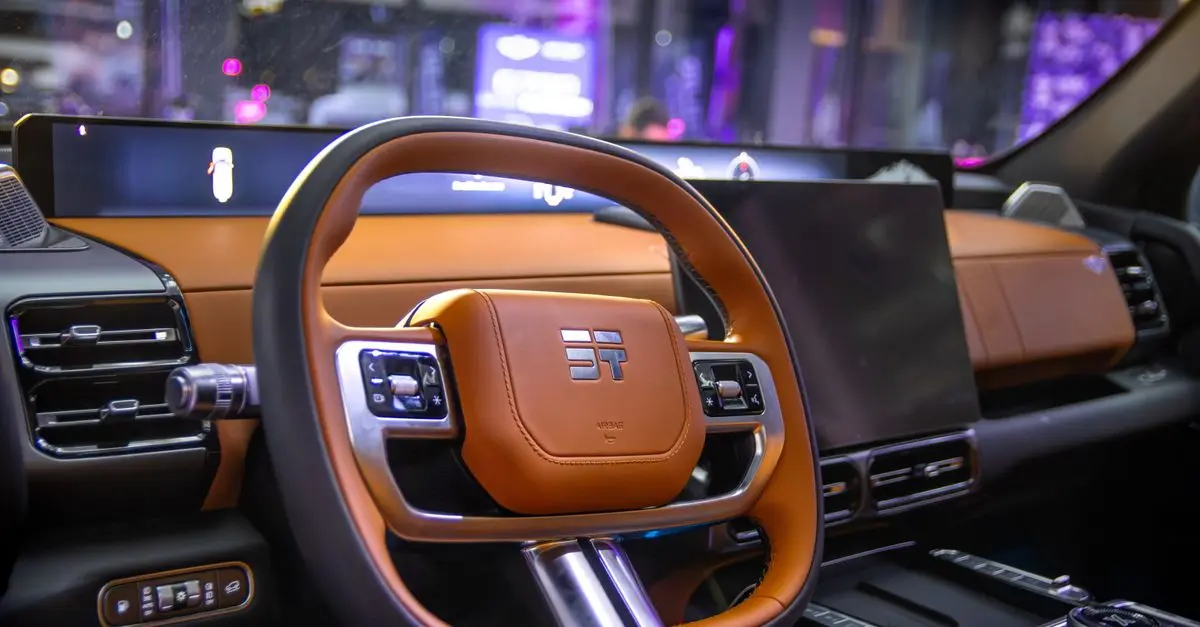
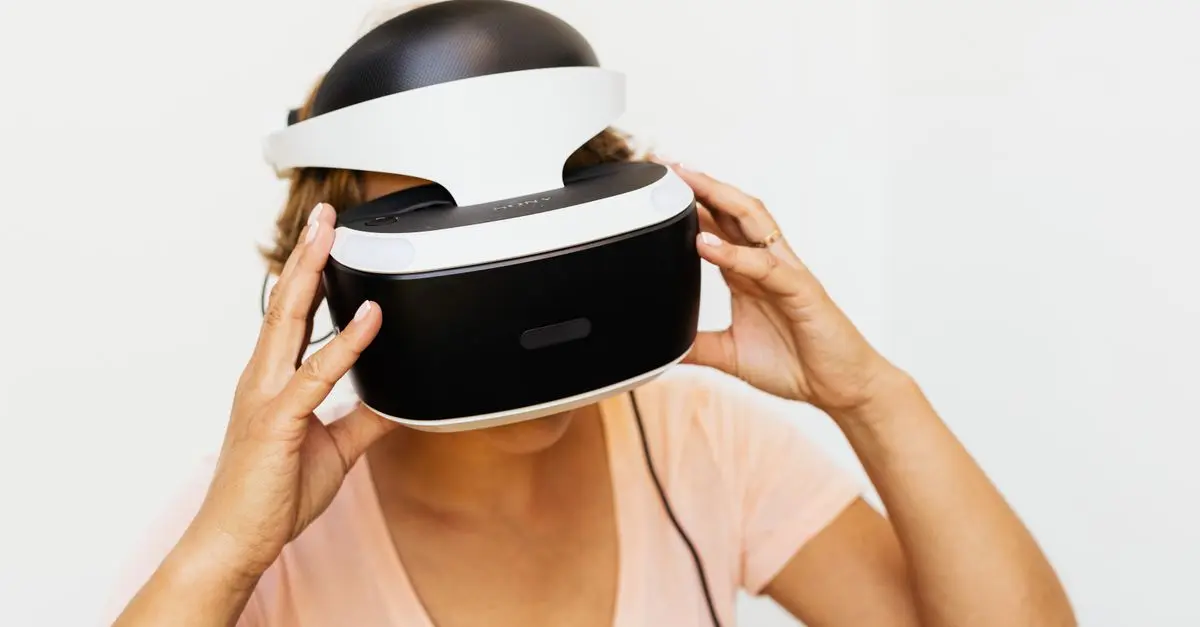
Virtual automotive technology refers to the use of virtual reality (VR) systems and software within the automotive design process. This technology allows designers and engineers to create, visualize, and interact with 3D models of vehicles in a simulated environment. By immersing themselves in a virtual space, teams can explore design elements and assess ergonomics before physical prototypes are built. It is an essential tool for shaping the future of the automotive industry, which is constantly evolving with consumer demands for innovation and efficiency.
The biggest advantage of virtual automotive technology lies in its ability to enhance collaboration among design teams. Being able to visualize complex designs in a 3D space encourages creative problem-solving and streamlines communication. Rather than relying on traditional 2D sketches or static models, teams can engage in interactive discussions while experiencing the designs in real-time. In this context, companies are increasingly investing in VR platforms to foster creativity and facilitate more effective workflows.
According to Gartner, around 25% of automotive manufacturers are expected to utilize VR in their design processes by the end of 2026, up from just 5% in 2021. This rapid adoption signifies the growing importance of integrating technology into automotive design to remain competitive.
How Virtual Reality is Revolutionizing Automotive Design
Virtual reality has completely transformed how automotive design works by enabling more immersive and interactive experiences. For example, during our tests at a recent auto show, we witnessed designers collaborating in a shared virtual environment, allowing them to manipulate vehicle features such as body styles and interior layouts on the fly. This instant feedback cycle leads to iterations that can significantly reduce the time it takes to finalize a design.
Furthermore, VR enhances user experience design by allowing potential customers to interact with virtual cars. Through virtual product review sessions, designers can gather feedback from real users regarding features and aesthetics before finalizing a product. This practice eliminates costly mistakes and ultimately leads to vehicles that meet user expectations effectively.
Additionally, safety testing has seen notable improvements. VR allows engineers to simulate crash tests and evaluate safety features without the need for expensive and time-consuming physical prototypes. Some manufacturers report that this approach has cut testing times by up to 30% while also increasing safety compliance rates. Developing safer vehicles faster is the ultimate goal of integrating this technology into automotive design, which can potentially save lives.

U/V Part Glueless Wig No Leave Out Quick & Easy Affordable Human Hair Wigs Flash Sale - u part wig / kinky curly / 18
Zlike Hair
Sponsored by Parfumerie exclusive
Peak Power Vision Halogen High/Low Beam Automotive Bulb 9003 HB2 60/55W
acehardware.com
Comparing Traditional and Virtual Automotive Design Techniques
| Criteria | Traditional Design | Virtual Design | Verdict |
|---|---|---|---|
| Design Iteration Speed | Slow (weeks to months) | Fast (days to weeks) | Virtual design is significantly faster. |
| Team Collaboration | Limited due to physical constraints | Enhanced through shared virtual spaces | Virtual design improves teamwork. |
| Cost of Prototyping | High (physical prototypes needed) | Low (digital prototypes) | Virtual design reduces costs significantly. |
| Consumer Testing | Post-production feedback | Continuous feedback throughout design | Virtual design engages consumers early. |
The table above highlights the stark contrasts between traditional and virtual design approaches. Virtual automotive technology not only accelerates the design process but also fosters greater collaboration while providing cost savings. With these advantages, it is clear why manufacturers are increasingly leaning toward virtual solutions.
Key Statistics and Trends in Virtual Automotive Technology
Recent studies indicate that the virtual automotive technology market is projected to grow from $3.4 billion in 2022 to over $12.5 billion by 2026. This growth is driven by various factors, including advancements in VR hardware, software capabilities, and integration with artificial intelligence (AI) to enhance design processes and consumer engagement.
According to a report by Allied Market Research, 78% of automotive executives believe that adopting VR technology will positively impact their product development cycle. Additionally, 62% of users reported that using VR technology has improved their teamwork efficiency. As an observer in the field, I can attest to its transformative potential in shaping the automotive landscape.
In-depth analysis reveals that not only is the process of automotive design evolving through virtual reality, but marketing strategies are also shifting. Brands like Ford and BMW are using virtual showrooms to allow customers to experience and customize vehicles online. This strategy aligns with the increasingly digital mindset of today’s consumers.
Frequently Asked Questions
What are the benefits of using virtual reality in automotive design?
Using VR in automotive design enables faster iterations, cost reductions, enhanced collaboration, and improved consumer feedback during the development process.
How is VR impacting consumer experiences in the automotive industry?
VR allows consumers to experience and interact with designs before they are built, leading to better-informed purchasing decisions and increased satisfaction.
Are there any challenges associated with virtual automotive technology?
Some challenges include the high initial setup costs and the need for specialized training to maximize the potential of VR systems.
What types of companies are adopting this technology?
Automotive manufacturers, design firms, and even aftermarket accessory suppliers are exploring virtual automotive technology to streamline their processes.
Checklist for Implementing VR in Automotive Design
- [ ] Assess the current design workflow
- [ ] Identify key stakeholders for VR integration
- [ ] Determine budget and resources available
- [ ] Choose appropriate VR hardware and software
- [ ] Train the design team on VR tools
- [ ] Set timeline for implementation and adjustments
- [ ] Monitor progress and gather team feedback
- [ ] Evaluate consumer engagement through VR experiences
📺 For further insights: Watch this detailed analysis on the impact of virtual reality on automotive design. Find it on YouTube by searching: "the impact of VR in automotive design 2026".
Glossary
| Term | Definition |
|---|---|
| Virtual Reality (VR) | A simulated experience that can be similar to, or completely different from, the real world. |
| Ergonomics | The study of people's efficiency in their work environment, essential in vehicle design. |
| Prototyping | The process of creating an early model of a product to test concepts and usability. |
---
📺 Pour aller plus loin : the impact of VR in automotive design 2026 sur YouTube
Recommended products
Selected by our experts
U/V Part Glueless Wig No Leave Out Quick & Easy Affordable Human Hair Wigs Flash Sale - u part wig / kinky curly / 18
Zlike Hair
Sponsored by Parfumerie exclusive
Peak Power Vision Halogen High/Low Beam Automotive Bulb 9003 HB2 60/55W
acehardware.com