Table of Contents (17 sections)
With the rapid advancement of technology, virtual reality (VR) has emerged as a transformative force in various industries, most notably in automotive technology. By simulating real-world environments, VR provides unprecedented opportunities for manufacturers, designers, and consumers alike. In this blog post, we will explore the multifaceted benefits of virtual reality in the automotive sector and how it reshapes our understanding of vehicle design, safety, and user experience.
What is Virtual Reality in Automotive Technology?
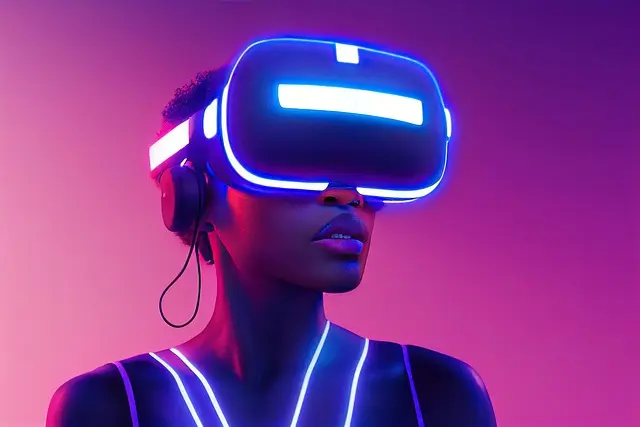
Virtual reality in the automotive context refers to immersive computer-generated environments that allow users to experience the simulated surroundings in a three-dimensional space. Through the use of VR headsets, users can virtually interact with car designs, tests, and experiences without being physically present. This technology encompasses a range of applications, including vehicle design, manufacturing simulation, and enhanced customer experiences.
One of the core advantages of VR is its ability to foster creativity and innovation. By allowing designers to visualize their ideas in a fully immersive setting, the technology bridges the gap between conceptualization and physical reality. This not only streamlines the design process but also reduces costs associated with prototyping, saving manufacturers time and resources in the long run.
How Does VR Enhance Automotive Design?
The automotive industry constantly strives to improve vehicle design and functionality. Virtual reality plays a crucial role in this process through several key functions:
- Rapid Prototyping: Traditionally, creating prototypes can be labor-intensive and expensive. With VR, designers can create and modify car models instantaneously, enabling faster iterations and feedback.
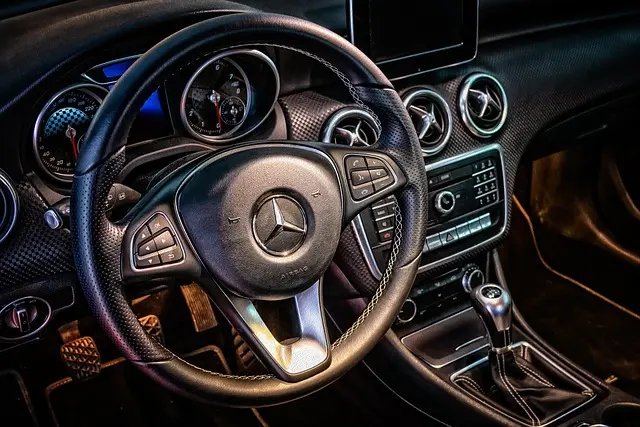
- Ergonomics Testing: VR allows for the assessment of seating positions and interior layouts in a simulated environment. Designers can analyze how users interact with controls and how comfortable they feel in different positions.
- Collaborative Design: Teams can collaborate in real time, even if they are continents apart. Using VR, design meetings can take place in a shared virtual space where all stakeholders view the project from the same perspective.
- Consumer Engagement: Sellers can provide immersive experiences, letting potential buyers explore features and aesthetics before touching the real-world product. This interactive approach leads to better customer satisfaction and can increase sales.


invisaWear Technologies Corporation Safety Classic Keychain - Gold Flower
sharperimage.com

Argon Technologies Inc., dba Klymit Rightline Gear Memory Foam Camp Pillow - Green - Large
sharperimage.com
Benefits of VR During Manufacturing Processes
Virtual reality technology is not limited to design but extends into manufacturing processes as well. Adopting VR in the production environment yields significant advantages, including:
- Training and Safety: VR simulations can help train employees in a risk-free environment. Workers can learn essential skills and safety protocols without the danger of working with actual machinery. This enhances knowledge retention and improves operational safety.
- Assembly Process Optimization: VR tools can simulate assembly lines and point out inefficiencies or bottlenecks, allowing manufacturers to optimize workflows before implementation.
- Quality Assurance: Through VR simulations, companies can inspect virtual models for flaws, ensuring that the final products meet quality standards before they are ever built.
Comparative Analysis of Traditional vs. VR Methods
| Aspect | Traditional Methods | VR Methods | Verdict |
|---|---|---|---|
| Prototyping | Time-consuming, expensive | Fast iterations, cost-effective | VR is superior |
| Ergonomics | Physical testing required | Virtual testing available | VR is superior |
| Employee Training | Potentially dangerous, time-consuming | Safe, immersive training | VR is superior |
| Assembly Optimization | Trial and error needed | Data-driven insights available | VR is superior |
Data and Trends in VR Adoption in Automotive
The integration of VR technology within the automotive industry is on a rising trend. According to reports by Statista, the VR market for automotive applications is expected to surpass $10 billion by 2026, driven by increased adoption of immersive technologies across industries. Moreover, a survey by McKinsey indicated that 70% of automotive executives believe that VR will significantly enhance their design and production processes.
As manufacturers implement VR technology at an increasing rate, they can expect improved productivity, reduced production costs, and enhanced vehicle safety due to precise training and assembly optimizations.
Expert Insight
> 💡 Expert Opinion: Incorporating VR into automotive design and production is not just innovative; it's a necessary evolution. The efficiency gains we've observed in recent VR applications are remarkable, allowing teams to focus more on innovation and less on the repetitive processes of design and manufacturing. The benefits are quantifiable—less time on prototypes means more time on the road with safer, better cars.
What is virtual reality in automotive technology?
Virtual reality in automotive technology involves immersive experiences that allow users to interact with car designs and features in a three-dimensional environment.
How does VR improve car design?
VR enhances car design by allowing for faster prototyping, ergonomic testing, collaborative design sessions, and improved consumer engagement.
Are there safety benefits of VR training in manufacturing?
Yes, VR training provides a risk-free environment for employees to learn critical skills related to safety and operations without being in danger.
What is the future of VR in the automotive industry?
The future of VR in the automotive industry looks promising, with an expected market growth that will enhance design efficiency, training effectiveness, and production quality.
📺 Resource Video
For a deeper understanding of these trends and benefits, check out this video on YouTube: Exploring Virtual Reality in Automotive Design. Search for: virtual reality automotive technology 2026.

SIVACU black wireless Automobile Folding Vacuum Cleaner Hand-held High-power Strong Suction Vacuum Cleaner
shop.simon.com

SIVACU white wireless Automobile Folding Vacuum Cleaner Hand-held High-power Strong Suction Vacuum Cleaner
shop.simon.com
Glossary
| Term | Definition |
|---|---|
| Virtual Reality | A simulated experience that can mimic or be completely different from the real world. |
| Prototyping | The process of creating an early model of a product for testing and validation. |
| Ergonomics | The study of people's efficiency in their working environment, crucial for design effectiveness. |
Checklist before implementing VR in automotive
- [ ] Understand the primary goals of using VR.
- [ ] Evaluate current design and training methods.
- [ ] Select appropriate VR tools and technologies.
- [ ] Train staff in VR applications and usage.
- [ ] Measure the impact of VR on production and design cycles.
Conclusion
As technology continues to evolve, virtual reality stands at the forefront of shifting paradigms in automotive technology. The array of benefits—ranging from enhanced design processes to safer training protocols—positions VR as an integral component of the automotive industry's future. Embracing VR is not just about keeping pace with innovation; it is about setting the standard for what drivers can expect from their vehicles in the coming years. To explore more tools that enhance the virtual experience in automotive applications, discover our recommendations below.
Recommended Products
📺 Pour aller plus loin : virtual reality automotive technology 2026 sur YouTube
Recommended products
Selected by our experts
Pred Technologies USA Inc Fingerprint Padlock
sharperimage.com
This product offers biometric authentication for secure access, aligning with the technological advancements in automotive safety.
invisaWear Technologies Corporation Safety Classic Keychain - Gold Flower
sharperimage.com
A safety keychain that provides emergency alerts, demonstrating the blend of technology with personal security in the automotive field.
Argon Technologies Inc., dba Klymit Rightline Gear Memory Foam Camp Pillow - Green - Large
sharperimage.com
This travel pillow enhances comfort on long drives, showcasing the integration of user-centric products in the automotive experience.
SIVACU black wireless Automobile Folding Vacuum Cleaner Hand-held High-power Strong Suction Vacuum Cleaner
shop.simon.com
SIVACU white wireless Automobile Folding Vacuum Cleaner Hand-held High-power Strong Suction Vacuum Cleaner
shop.simon.com