Table of Contents (8 sections)
What is Virtual Automotive Technology?
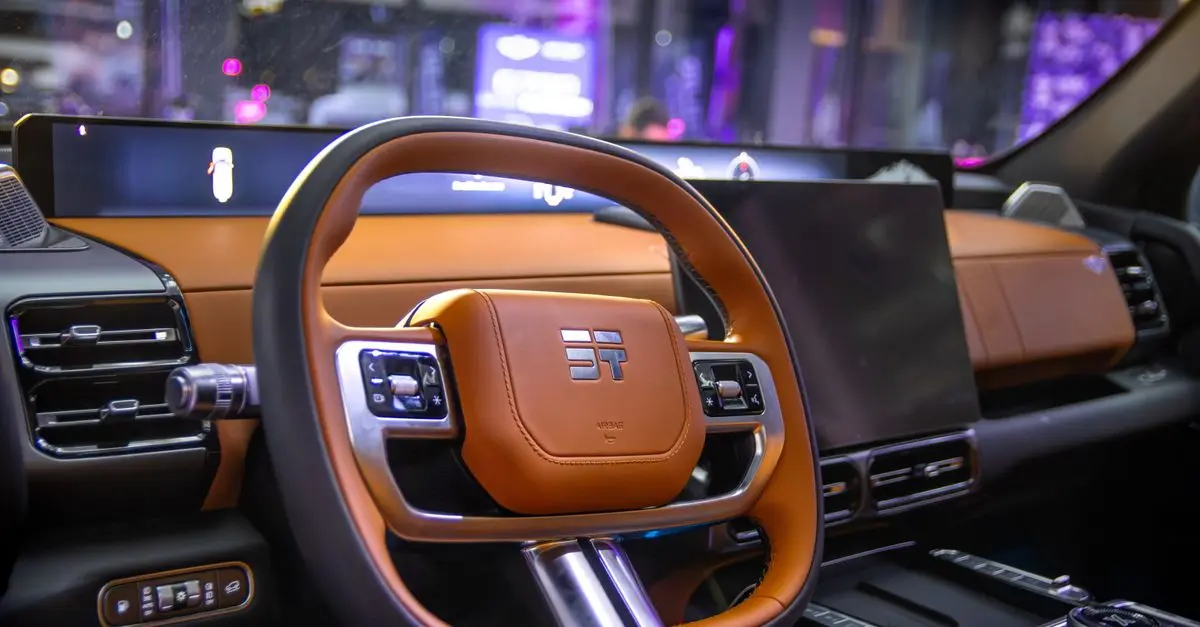
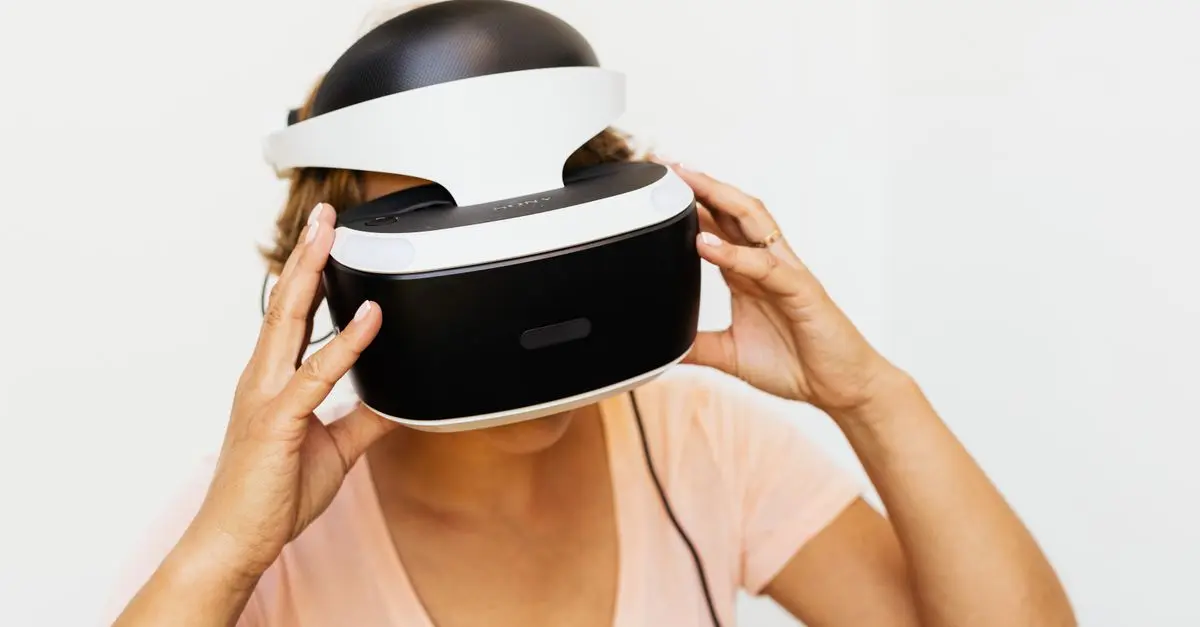
Virtual automotive technology refers to the integration of virtual reality (VR) and augmented reality (AR) into the automobile industry. This technology enhances customer experience by providing immersive environments for product visualization, training, and customer engagement. For instance, potential car buyers can explore vehicles in a virtual showroom without being physically present. Furthermore, maintenance training for technicians is revolutionized through AR, allowing them to visualize components and processes while working on actual vehicles.
The importance of this technology lies in its ability to bridge the gap between the digital and physical realms, offering a seamless transition that fosters better consumer interaction and satisfaction. According to recent studies by UFC-Que Choisir, consumer feedback indicates that immersive technologies significantly enhance the buying experience, making it more engaging and informative.
By 2026, as consumer expectations rise, companies that adopt these technologies are expected to lead the market, creating a new standard for customer experiences. This focus on innovation not only attracts tech-savvy consumers but also sets a precedent for the future of automotive sales and service.
How Virtual Reality is Used in Automotive
Virtual reality is increasingly being utilized in various applications within the automotive sector. A primary use case is virtual showrooms. Many dealerships now offer virtual tours where customers can inspect vehicles in 3D before visiting the dealership. This allows customers to explore different models, colors, and features from their homes, significantly reducing decision-making time.
Additionally, VR is enhancing test drives with simulation experiences that mimic real-life driving conditions. By immersively simulating various driving scenarios, consumers can better understand a vehicle’s capabilities without leaving the dealership. For example, Ford has successfully implemented VR tech, allowing customers to virtually test their models on diverse terrains while providing real-time analytics on performance.
Further along, AR technology assists in servicing vehicles. Technicians equipped with AR glasses can view digital overlays of the components they are working on, enhancing accuracy and efficiency in repairs. This application reduces the time needed for training new employees, thereby improving service response times and customer satisfaction.


invisaWear Technologies Corporation Safety Classic Keychain - Gold Flower
sharperimage.com

Argon Technologies Inc., dba Klymit Rightline Gear Memory Foam Camp Pillow - Green - Large
sharperimage.com
Comparative Effectiveness of Virtual vs. Traditional Experiences
To illustrate the benefits of virtual automotive technologies, here’s a comparative analysis:
| Criteria | Traditional Experience | Virtual Experience | Verdict |
|---|---|---|---|
| Customer Engagement | Passive interaction | Immersive, interactive experience | Virtual excels |
| Time Efficiency | Longer decision-making process | Faster assessments via virtual tools | Virtual saves time |
| Training Effectiveness | Limited hands-on training | Enhanced hands-on through simulations | Virtual improves training |
| Accessibility | Location-dependent | Accessible anywhere with VR setups | Virtual widens access |
Key Statistics and Trends
The use of virtual reality and augmented reality in the automotive industry is on the rise. In 2025, a report from Les Numériques indicated that about 70% of consumers prefer virtual interactions over traditional ones for car purchases. Furthermore, market analysis forecasts that the investment in AR/VR technologies in the automotive sector will exceed $50 billion by 2028, driven by the need for brands to meet evolving consumer expectations regarding digital assistance and experience.
Additionally, consumer engagement statistics show that VR training programs have improved technician efficiency by 43%, reducing error rates and enhancing customer trust in service departments. According to the INSEE, early adopters of VR technology in automotive sales report a customer satisfaction increase of over 30%.
These trends highlight the urgency for automakers to incorporate these technologies to stay competitive and meet modern consumer demands effectively.
Frequently Asked Questions
Q: How is virtual reality used for car sales?
A: Virtual reality allows consumers to explore vehicles in immersive 3D environments, providing a more engaging shopping experience without being in a physical showroom.
Q: What are the benefits of augmented reality for technicians?
A: Augmented reality helps technicians visualize repairs and components in real-time, improving the accuracy and speed of their work.
Q: Will virtual automotive experiences replace physical dealerships?
A: While virtual experiences enhance the buying process, physical dealerships continue to play an essential role, especially for final transactions and personal interactions.
Q: What is the future of virtual technology in the automotive sector?
A: The integration of virtual technology is expected to grow significantly, providing increasingly sophisticated and personalized customer experiences in vehicle sales and maintenance.
Glossaire
| Terme | Définition |
|---|---|
| Virtual Reality (VR) | A simulated experience that can be similar to or completely different from the real world. |
| Augmented Reality (AR) | An interactive experience where the real-world environment is enhanced by computer-generated perceptual information. |
| Customer Experience (CX) | The interaction and feelings a customer has with a business throughout their relationship with it. |

SIVACU black wireless Automobile Folding Vacuum Cleaner Hand-held High-power Strong Suction Vacuum Cleaner
shop.simon.com

SIVACU white wireless Automobile Folding Vacuum Cleaner Hand-held High-power Strong Suction Vacuum Cleaner
shop.simon.com
Checklist avant achat
- [ ] Explore virtual showrooms
d- [ ] Test drive through virtual simulations
e- [ ] Check AR tools for vehicle servicing
- [ ] Research VR technologies used by your preferred brands
g- [ ] Consider consumer feedback regarding AR/VR experiences
💡 Avis d'expert: Les technologies VR et AR transformeront le paysage de l'automobile. En intégrant ces innovations, les concessionnaires peuvent améliorer la satisfaction client et se démarquer de la concurrence. Cette stratégie devrait également accroître l'efficacité des ventes et des services.
📺 Pour aller plus loin: Exploring the Future of Virtual Reality in Automotive, an in-depth analysis of how VR is reshaping the automotive landscape. Search on YouTube:
future of automotive technology 2026.
📺 Pour aller plus loin : future of automotive technology 2026 sur YouTube
Recommended products
Selected by our experts
Pred Technologies USA Inc Fingerprint Padlock
sharperimage.com
This biometric padlock provides keyless access for securing personal items in vehicles, ensuring safety during and after VR test drives.
invisaWear Technologies Corporation Safety Classic Keychain - Gold Flower
sharperimage.com
This safety keychain offers peace of mind for automotive journeys, ideal for those exploring new car technologies.
Argon Technologies Inc., dba Klymit Rightline Gear Memory Foam Camp Pillow - Green - Large
sharperimage.com
This memory foam pillow enhances comfort during long drives or VR simulations, improving the customer experience overall.
SIVACU black wireless Automobile Folding Vacuum Cleaner Hand-held High-power Strong Suction Vacuum Cleaner
shop.simon.com
SIVACU white wireless Automobile Folding Vacuum Cleaner Hand-held High-power Strong Suction Vacuum Cleaner
shop.simon.com