Table of Contents (9 sections)
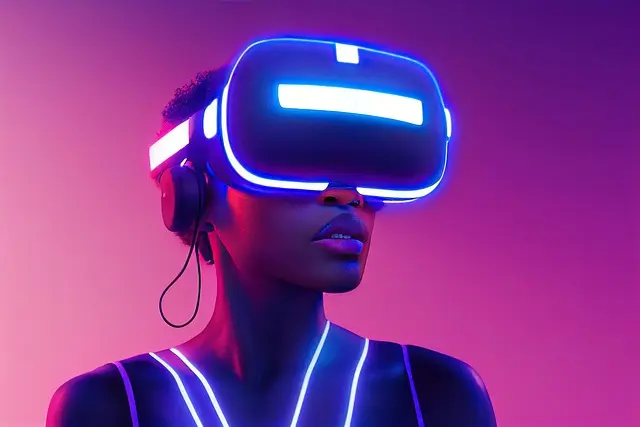
Virtual reality (VR) technology has revolutionized various industries, and the automotive sector is no exception. With the growing demand for innovative designs and efficient processes, automotive designers increasingly leverage VR to enhance creativity and streamline production. This article delves into how virtual automotive technology is impacting design, from initial concept creation to final production.
What is Virtual Automotive Technology?
Virtual automotive technology encompasses tools and software that allow designers to create, visualize, and manipulate vehicle designs in a virtual environment. This immersive experience enables stakeholders to assess and refine concepts before they ever hit the production floor. Unlike traditional design methods that rely heavily on physical prototypes, VR technology provides a platform for iterative design, accelerating the development process and reducing costs.
The significance of VR in automotive design cannot be overstated. For instance, Ford has reported a significant decrease in the time spent on concept evaluation and modifications, thanks to VR simulations. Moreover, studies indicate that engaging with 3D models in a virtual space increases stakeholder understanding, leading to faster decision-making. With the ability to visualize and interact with designs in real-time, automotive manufacturers can now foster an environment of collaboration that was previously unattainable.
Step-by-Step Process of Utilizing Virtual Reality
To harness the power of virtual reality in automotive design, companies generally follow a structured process:
- Conceptualization: Designers begin by developing initial vehicle concepts using CAD software. These designs are then transferred to a VR platform.
- Immersion and Visualization: Team members don VR headsets to experience the vehicle design in an immersive environment, allowing them to evaluate aesthetics, ergonomics, and overall functionality.
- Feedback and Iteration: The design can be adjusted based on the feedback obtained during the VR session. This iterative process allows for rapid modifications without the need for physical prototypes.
- Presentation: Once the design reaches an advanced stage, it is presented to stakeholders in VR, facilitating a deeper understanding of the project.
- Final Adjustments and Production Readiness: After incorporating final feedback, the design is made production-ready, significantly reducing the typical time spent in the design phase.
This structured approach not only enhances collaboration among design teams but also significantly impacts the bottom line by reducing waste associated with traditional prototyping methods.
Comparing Traditional Design to VR Design
The effectiveness of VR in automotive design can be compellingly illustrated through a comparative analysis:
| Criteria | Traditional Design | VR Design | Verdict |
|---|---|---|---|
| Speed | Slower iterations | Rapid concept adjustments | VR offers a significant speed advantage. |
| Cost | High prototyping costs | Lower costs due to fewer prototypes | VR reduces overall design expenses. |
| Collaboration | Limited interaction | Enhanced team collaboration | VR fosters better teamwork. |
| Visualization | 2D/3D printed models | Immersive 3D environments | VR provides superior visualization. |
Analytical Insights: Trends and Statistics
The adoption of VR technologies in automotive design is on the rise, with a forecasted market growth of 30% annually over the next five years. According to a report by Statista, the global market for automotive VR is expected to reach $10 billion by 2030. This rapid growth is driven by a surge in demand for customization and innovative features in vehicles, with consumers expecting manufacturers to offer unique driving experiences.
Additionally, research conducted by Gartner shows that 80% of automotive companies utilizing VR report improved customer satisfaction due to better-informed design decisions. Users have expressed high levels of engagement when interacting with vehicle concepts in VR, drastically improving focus groups' feedback quality.
Expert Opinion
> 💡 Expert Insight: According to Emma Jacobs, an automotive design expert, “The integration of virtual reality into automotive design has fundamentally altered the way we approach creativity and innovation. It gives designers the tools to experiment without limits, paving the way for breakthroughs in vehicle performance and aesthetics.”
Frequently Asked Questions (FAQ)
- How does virtual reality enhance automotive design?
VR allows designers to visualize and manipulate 3D models in an immersive environment, fostering creativity and collaboration while reducing costs associated with physical prototypes.
- What are the main benefits of using VR in automotive design?
Key benefits include faster iteration cycles, reduced costs, improved stakeholder engagement, and enhanced design flexibility.
- Is VR technology expensive to implement in automotive design?
While initial setup costs can be high, the long-term savings in prototype development and time efficiency often justify the investment.
- Can small automotive companies also benefit from VR?
Yes, VR tools are becoming more accessible, allowing even smaller firms to utilize them for enhanced design processes and cost savings.
Glossary
| Term | Definition |
|---|---|
| Virtual Reality | An immersive computer-generated environment experienced through hardware. |
| CAD Software | Computer-Aided Design software used for creating precise drawings and technical illustrations. |
| Prototyping | The process of creating an early model of a product to test concepts and usability. |
Checklist before purchase
- [ ] Assess your design needs for VR technology.
- [ ] Research suitable VR software options.
- [ ] Consider the hardware specifications required.
- [ ] Evaluate the total cost and budget considerations.
- [ ] Test user feedback on VR experiences.
🧠 Quiz rapide : What is the primary advantage of using virtual reality in automotive design?
- A) Improved fuel efficiency
- B) Faster iterations
- C) Lower production costs
Réponse : B — Faster iterations allow for rapid modifications improving overall efficiency.
📺 Pour aller plus loin: Explore the impact of VR technologies in automotive design, a comprehensive analysis of how virtual reality is reshaping the industry. Search on YouTube: "virtual reality automotive design 2026".
📺 Pour aller plus loin : Honda Shows How the Latest VR Technology is Accelerating the Design Process of Honda EVs sur YouTube
Recommended products
Selected by our experts

Pred Technologies USA Inc Fingerprint Padlock
sharperimage.com
This biometric padlock offers secure and keyless access to automotive parts or design studios, making it ideal for designers.

invisaWear Technologies Corporation Safety Classic Keychain - Gold Flower
sharperimage.com
This safety keychain can enhance peace of mind for designers working late hours in innovative automotive design environments.

Argon Technologies Inc., dba Klymit Rightline Gear Memory Foam Camp Pillow - Green - Large
sharperimage.com
A comfortable pillow can be a great addition to automotive design studios where long hours of creativity are often required.

SIVACU black wireless Automobile Folding Vacuum Cleaner Hand-held High-power Strong Suction Vacuum Cleaner
shop.simon.com
A powerful handheld vacuum cleaner can help keep design spaces free from dust and debris, promoting a cleaner working environment.

SIVACU white wireless Automobile Folding Vacuum Cleaner Hand-held High-power Strong Suction Vacuum Cleaner
shop.simon.com
This folding vacuum cleaner ensures that automotive design studios remain tidy, which is essential for creative brainstorming.