Table of Contents (11 sections)
The automotive industry is undergoing significant changes, particularly in training methodologies. One of the most groundbreaking advancements is the integration of virtual reality technology into automotive maintenance training. This innovative approach not only enhances engagement but also improves the effectiveness and efficiency of training programs. In this article, we will delve into how virtual reality is reshaping the landscape of automotive maintenance training, providing invaluable insights for trainers and technicians alike.
What is Virtual Reality Technology?
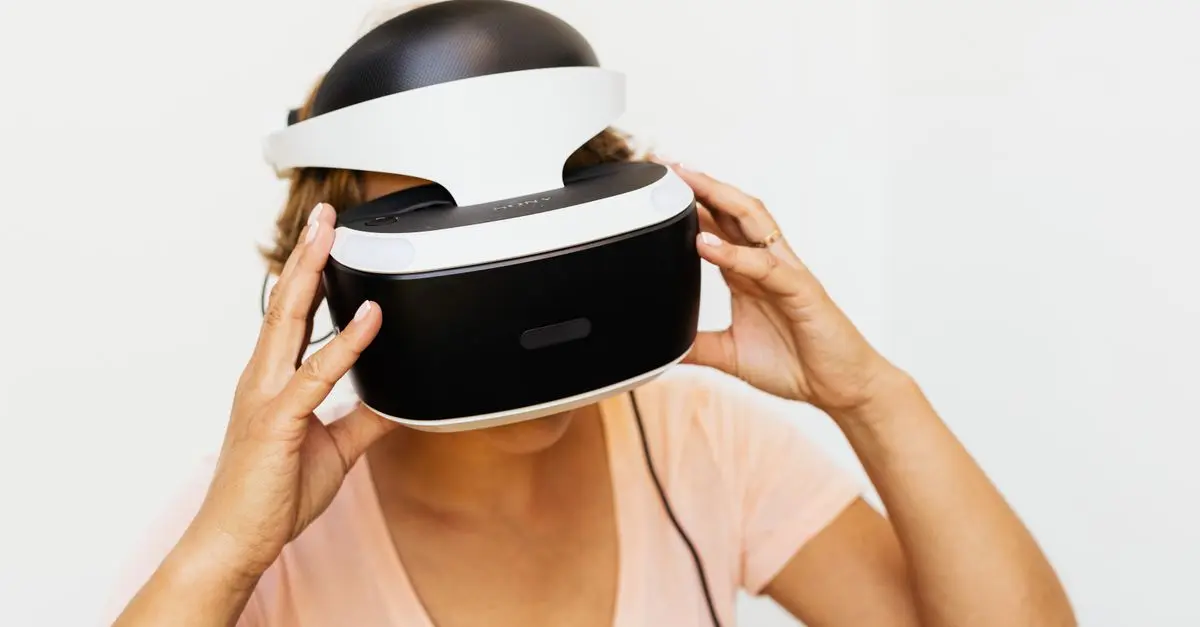
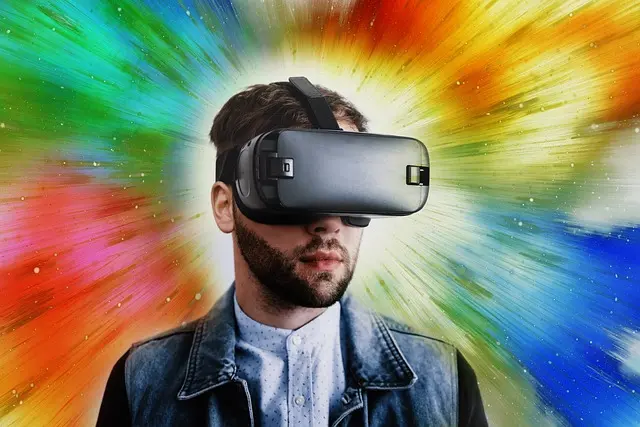
Virtual Reality (VR) refers to an immersive, interactive experience that simulates a real-world environment through computer technology. Users typically wear VR headsets that provide 360-degree views in a virtual landscape. The technology has been historically utilized in gaming and entertainment; however, its application in education and training is rapidly gaining traction.
In the context of automotive maintenance, VR allows technicians to interact with virtual models of vehicles and equipment in a controlled, risk-free environment. This simulates the hands-on experience needed for real-world jobs, enabling trainees to practice complex procedures without the repercussions of mistakes that could occur in an actual repair shop. A study by Gartner revealed that organizations adopting VR training see a 30% reduction in training time, leading to faster onboarding of technicians.
The Procedural Aspect of VR in Automotive Training
Implementing Virtual Reality Training
The integration of VR into automotive maintenance training typically follows a systematic process:
- Assessment of Needs: Identify the skills and knowledge gaps within your workforce.
- Developing Content: Create training modules that encompass various maintenance scenarios.
- Selecting Technology: Choose appropriate VR equipment and software tailored for automotive training.
- Pilot Testing: Conduct trial sessions to gather feedback from participants and refine the program.
- Full Deployment: Implement the training program, providing continuous support and evaluation.
By following these steps, organizations can ensure that their VR training is effective and meets the needs of their technicians. For instance, programs can focus on specific skills, such as engine diagnostics or electrical repairs, allowing trainees to familiarize themselves with intricate components in a virtual setting, fostering confidence and competence before they tackle real-life scenarios.


invisaWear Technologies Corporation Safety Classic Keychain - Gold Flower
sharperimage.com

SIVACU white wireless Automobile Folding Vacuum Cleaner Hand-held High-power Strong Suction Vacuum Cleaner
shop.simon.com
Comparative Analysis: Traditional Training vs. VR Training
The following table highlights the key differences between traditional and VR training methods in automotive maintenance:
| Criteria | Traditional Training | VR Training | Verdict |
|---|---|---|---|
| Engagement | Low to Moderate | High | VR Training Superior |
| Cost Effectiveness | Higher due to materials | Lower, once established | VR Training Superior |
| Safety | Risk of injury | No risk | VR Training Superior |
| Hands-on Experience | Limited practical exposure | Full immersion experience | VR Training Superior |
| Learning Retention | Varies | Higher retention rates | VR Training Superior |
Analytical Insights: Trends and Statistics
A report by Training Industry predicts that the VR training market could reach $6 billion by 2026, largely driven by demand from sectors such as automotive. It has been observed that 70% of organizations report improved trainee performance when VR is implemented. Additionally, VR-based training has seen a remarkable 80% satisfaction rate among users, indicating that technicians prefer the immersive experience over conventional training methods.
Incorporating real-world scenarios into the training environment enhances learner engagement and retention. This method allows technicians to encounter varied maintenance challenges, refining their problem-solving skills in a simulated environment that mirrors reality.
Expert Insight
> 💡 Expert Opinion: Incorporating virtual reality into automotive training is a game changer. It not only keeps trainees involved but helps create a deep understanding of complex systems without the cost and risk associated with physical training. Plus, the adaptability of virtual environments allows for ongoing updates in line with industry changes. This is essential for keeping technicians' skills relevant and sharp in an ever-evolving field.
FAQs About VR in Automotive Training
- How does VR improve training outcomes for technicians?
Virtual reality enhances engagement and allows for repeated practice in a safe environment, leading to better performance in actual maintenance tasks.
- Is VR training cost-effective?
Although initial investment in VR technology may seem high, the long-term savings from reduced training times and improved technician efficiency make it cost-effective.
- What types of automotive tasks can be learned using VR?
Technicians can practice a wide range of tasks, from basic oil changes to complex electrical diagnostics in a simulated environment.
- Can VR training be integrated with other learning methods?
Yes, VR is often used in conjunction with traditional methods, providing a blended learning experience that maximizes training effectiveness.

Argon Technologies Inc., dba Klymit Rightline Gear Memory Foam Camp Pillow - Green - Large
sharperimage.com

SIVACU black wireless Automobile Folding Vacuum Cleaner Hand-held High-power Strong Suction Vacuum Cleaner
shop.simon.com
Checklist Before Implementing VR Training
- [ ] Assess current training needs.
- [ ] Identify key skills to be developed.
- [ ] Choose suitable VR technology.
- [ ] Develop comprehensive training modules.
- [ ] Pilot test the program.
- [ ] Gather feedback for refinement.
- [ ] Fully deploy and evaluate training outcomes.
Glossary
| Term | Definition |
|---|---|
| Virtual Reality (VR) | An immersive simulation that replicates real-world interactions, often facilitated by headsets. |
| Training Module | A specified segment of the training program focusing on a related set of skills or knowledge areas. |
| Engagement | The level of involvement and interest trainees exhibit during the learning process. |
📺 Resource Video
> For further insights: Explore how virtual reality is used in automotive maintenance training. Search on YouTube: virtual reality automotive training 2026.
📺 Pour aller plus loin : virtual reality automotive training 2026 sur YouTube
Recommended products
Selected by our experts
Pred Technologies USA Inc Fingerprint Padlock
sharperimage.com
This fingerprint padlock offers secure access for tools and equipment in automotive training environments, ensuring safety and organization.
invisaWear Technologies Corporation Safety Classic Keychain - Gold Flower
sharperimage.com
The safety keychain provides an added layer of security for technicians in training, ensuring safety during their sessions.
SIVACU white wireless Automobile Folding Vacuum Cleaner Hand-held High-power Strong Suction Vacuum Cleaner
shop.simon.com
This powerful vacuum is perfect for maintaining a clean training environment, ensuring that all equipment is in top condition.
Argon Technologies Inc., dba Klymit Rightline Gear Memory Foam Camp Pillow - Green - Large
sharperimage.com
SIVACU black wireless Automobile Folding Vacuum Cleaner Hand-held High-power Strong Suction Vacuum Cleaner
shop.simon.com