Table of Contents (9 sections)
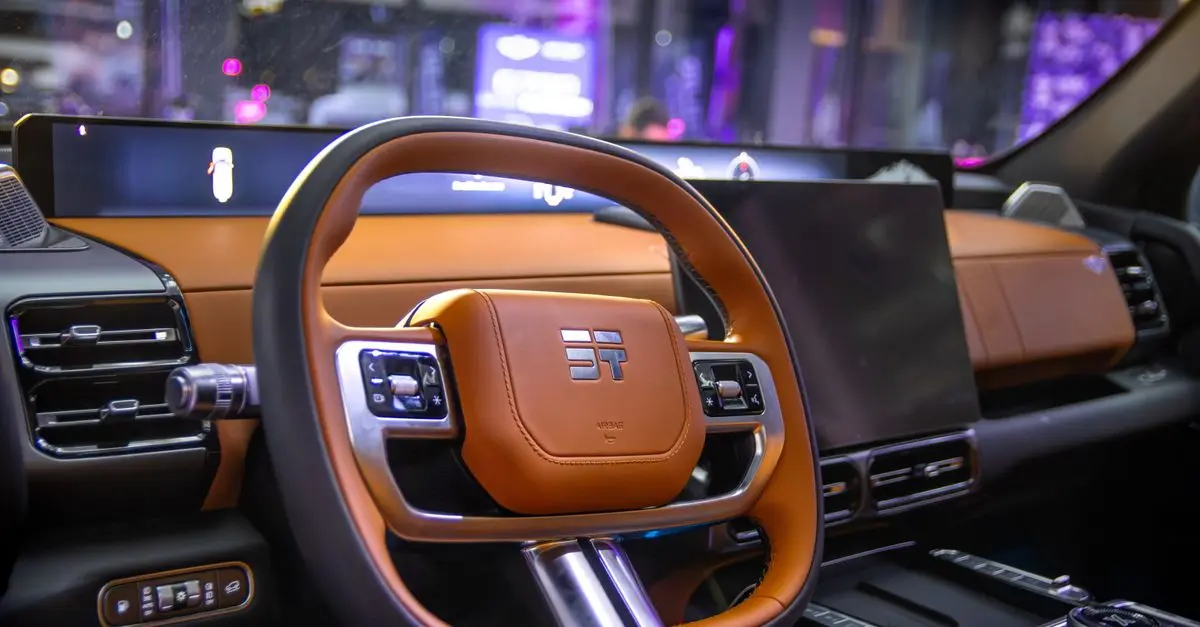
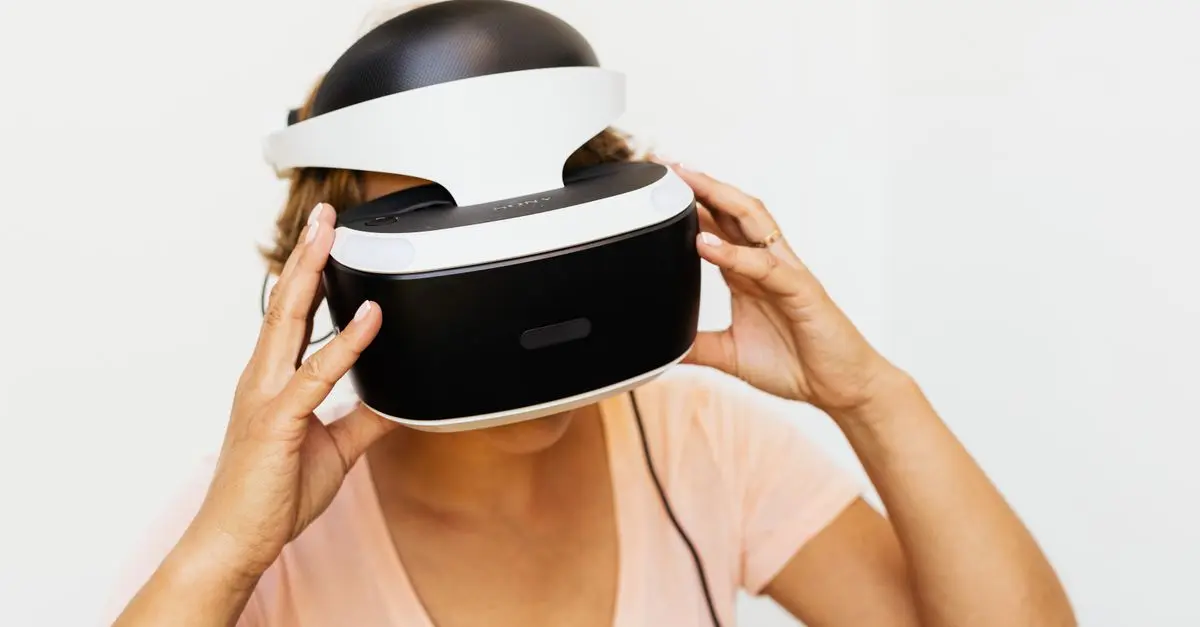
Virtual reality (VR) technology is revolutionizing various sectors, and the automotive industry is no exception. By immersing designers and users in a virtual environment, VR allows for an unprecedented exploration of user interaction with vehicle interfaces. Essentially, VR enables a three-dimensional representation of car controls, infotainment systems, and even safety features. This design approach enhances user experience significantly by presenting a more intuitive interaction framework. For instance, a study indicated that VR can reduce design cycle time by approximately 30%, as seen in automotive companies like Ford and BMW which have integrated VR tools into their design processes.
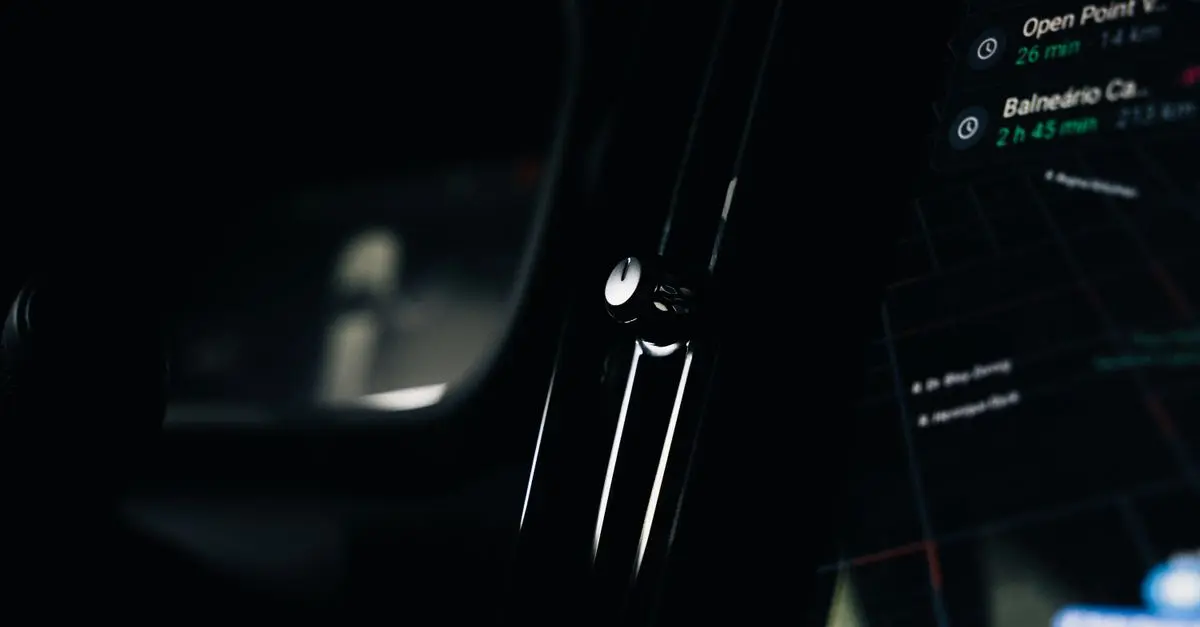
The integration of VR in user interface (UI) design not only enhances the aesthetic value of vehicles but also emphasizes practicality and safety. With the gradual shift towards electric and autonomous vehicles, the UI needs to adapt to new functionalities that such vehicles offer. VR serves as a valuable tool for testing and refining these new technologies before they hit the market, ensuring a seamless user experience.
The Procedural Aspect of Integrating VR in UI Design
To integrate VR into automotive UI design, manufacturers typically follow a systematic approach. Here’s a detailed breakdown of the process:
- Research & Development: Initiating the project by understanding user needs through surveys and focus groups. It’s crucial to gather data on user expectations and experiences.
- Conceptual Design: Creating initial designs of interfaces using VR software that allows designers to visualize them in a 3D space. This step often includes placing virtual screens within the driver’s line of sight.
- User Testing: Engaging real users to interact with the prototype in the VR environment can provide invaluable insights. This stage allows designers to observe how intuitive the interface is and make necessary adjustments.
- Implementation & Feedback: Once the user testing is completed, the final designs are implemented in the vehicles. Feedback from users after initial use remains vital for any necessary tweaks.
- Iteration: Continuous improvements relying on user feedback ensure the UI remains relevant as technology advances.
This structured approach reflects how technology intertwines with human-centered design, emphasizing the increasing importance of user feedback in automotive design.
Comparative Analysis: Traditional vs. VR-Enhanced UI Design
Comparing traditional UI designs with those enhanced by VR provides insight into why manufacturers are shifting their focus. Below is a comparative table highlighting key differences:
| Feature | Traditional UI Design | VR-Enhanced UI Design | Verdict |
|---|---|---|---|
| User Interaction Speed | Moderate | Fast | VR enhances responsiveness |
| Design Flexibility | Limited | High | VR allows creative freedom |
| User Testing | Paper Prototypes | Realistic Immersion | VR offers genuine feedback |
| Cost Efficiency | High (over multiple cycles) | Lower (faster cycles) | Overall savings with VR |
| Iteration Capability | Slow | Rapid | Timely improvements with VR |


invisaWear Technologies Corporation Safety Classic Keychain - Gold Flower
sharperimage.com

Argon Technologies Inc., dba Klymit Rightline Gear Memory Foam Camp Pillow - Green - Large
sharperimage.com
Analyzing Data and Trends in VR and Automotive Design
The intersection of VR technology and automotive design is supported by compelling data. According to a 2026 report by Statista, the global virtual reality market in automotive is forecasted to reach $200 billion by 2026, highlighting the sector’s rapidly growing significance.
Additionally, McKinsey & Company reports that companies utilizing VR in their design and prototyping processes see a 50% increase in design accuracy. These metrics illustrate just how essential VR has become in refining UI for automotive applications.
Moreover, advancements in VR headsets and software are enabling better user experiences. Enhanced graphical fidelity and lower latency make for smoother interactions, which contributes positively to user satisfaction and safety in vehicles.
Expert Insights on the Future of VR in UI Design
> 💡 Expert Opinion: VR technology is crucial in transitioning to user-centric vehicle design. With the industry leaning towards automation and electric vehicles, VR helps engineers explore new user interfaces that could redefine interaction within vehicles. It's a game changer that encourages innovation in user experience, according to insights gathered from industry veterans.
Adopting VR isn’t merely about aesthetics; it’s about improving overall safety and functionality, ensuring that as vehicles evolve, users can stay connected and safe without compromising ease of use.
📺 For Further Exploration:
Explore the Role of VR in Automotive Interface Design, an in-depth analysis of how VR shapes vehicle interaction. Search on YouTube: "VR in automotive design 2026".
Glossary
| Term | Definition |
|---|---|
| Virtual Reality (VR) | A simulated experience that can replicate or enhance the real world through technology. |
| User Interface (UI) | The space where user interaction with an application occurs, focusing on the design and interaction of elements. |
| Autonomous Vehicles | Vehicles capable of sensing their environment and operating without human intervention. |

SIVACU black wireless Automobile Folding Vacuum Cleaner Hand-held High-power Strong Suction Vacuum Cleaner
shop.simon.com

SIVACU white wireless Automobile Folding Vacuum Cleaner Hand-held High-power Strong Suction Vacuum Cleaner
shop.simon.com
Checklist Before Integrating VR Solutions
- [ ] Identify user needs through surveys
- [ ] Develop initial UI concepts in VR
- [ ] Conduct user testing in a virtual environment
- [ ] Gather feedback post-testing
- [ ] Finalize the design and iterate based on ongoing feedback
Incorporating virtual reality into automotive user interface design is not just an innovative approach but a necessary evolution. As we look ahead, the integration of these technologies will only deepens, shaping future driving experiences.
Recommended Products
- - - Engaging with VR in automotive design sets a new standard for user interaction. We encourage you to explore the possibilities of advanced technologies and how they can elevate your driving experience.
📺 Pour aller plus loin : VR in automotive design 2026 sur YouTube
Recommended products
Selected by our experts
Pred Technologies USA Inc Fingerprint Padlock
sharperimage.com
This innovative biometric lock exemplifies the merging of security and technology, relevant to the automotive experience.
invisaWear Technologies Corporation Safety Classic Keychain - Gold Flower
sharperimage.com
This safety device enhances security, crucial for the modern driver's peace of mind in technology-rich environments.
Argon Technologies Inc., dba Klymit Rightline Gear Memory Foam Camp Pillow - Green - Large
sharperimage.com
This memory foam pillow offers comfort, essential for those long drives featuring advanced technology interfaces.
SIVACU black wireless Automobile Folding Vacuum Cleaner Hand-held High-power Strong Suction Vacuum Cleaner
shop.simon.com
SIVACU white wireless Automobile Folding Vacuum Cleaner Hand-held High-power Strong Suction Vacuum Cleaner
shop.simon.com