Table of Contents (8 sections)
What is Virtual Automotive Technology?
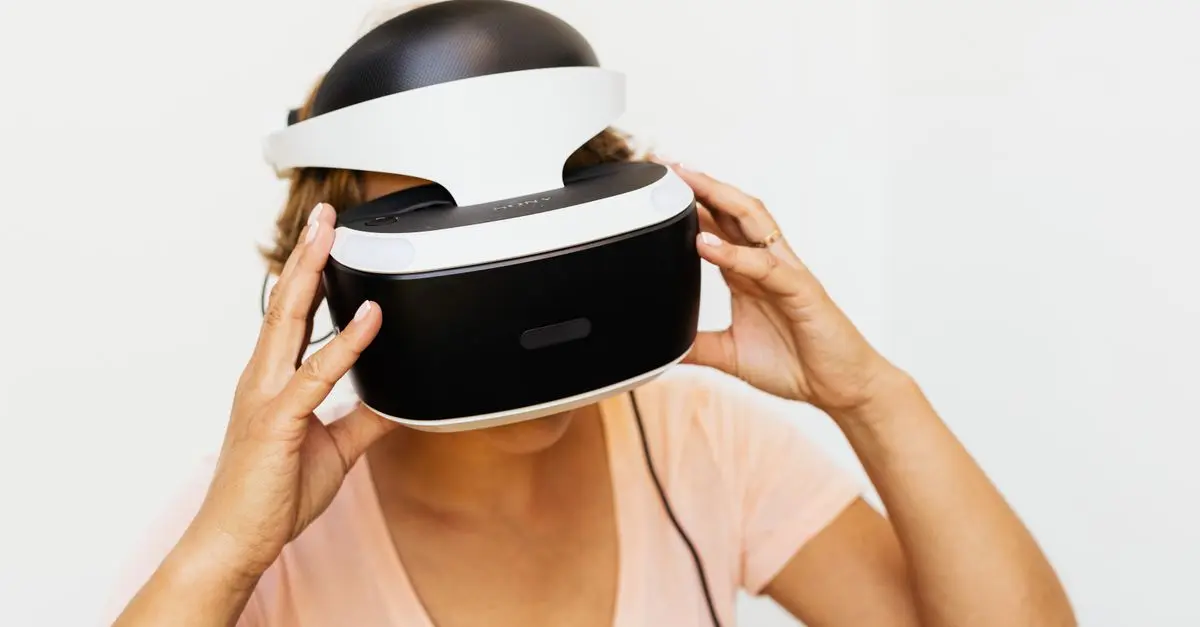
Virtual automotive technology encompassesinnovative applications of virtual reality (VR) and augmented reality (AR) in the development, design, and user experience of vehicles. By utilizing these groundbreaking technologies, manufacturers and developers aim to create more engaging experiences for consumers as well as streamline processes in design and manufacturing.
The rise of VR in the automotive sector can be attributed to advancements that enable designers and engineers to immerse themselves in their projects, leading to improved collaboration and efficiency. Furthermore, as of 2026, the integration of VR into consumer experiences has transcended mere novelty, establishing itself as a critical component of automotive offerings. Major brands have begun incorporating these technologies into various facets of their operations.
According to Industry Insights Report 2026, 45% of automotive companies are currently using VR technology in their processes. This marks a significant growth trend from previous years, indicating an industry-wide acknowledgment of VR’s potential benefits.
Peak Power Vision Halogen High/Low Beam Automotive Bulb 9003 HB2 60/55W
acehardware.com

Plaud NotePin AI Voice Recorder, Voice Recorder with Adjustable Wearable Strap & Neck Strap Lanyard, Transcribe & Summarize with AI Technology, 64GB
plaud.ai

Plaud Note AI Voice Recorder with Two Cases, with App Control, Transcribe & Summarize with AI Technology, 64GB Memory, Voice Recorder Carrying Case
plaud.ai
Virtual Reality in Design and Prototyping
The design process of vehicles has significantly benefitted from the integration of virtual reality. Designers now utilize VR technology to create 3D models of vehicles, allowing them to visualize and modify designs in real-time. This hands-on experience enhances creativity and accelerates the prototyping phase.
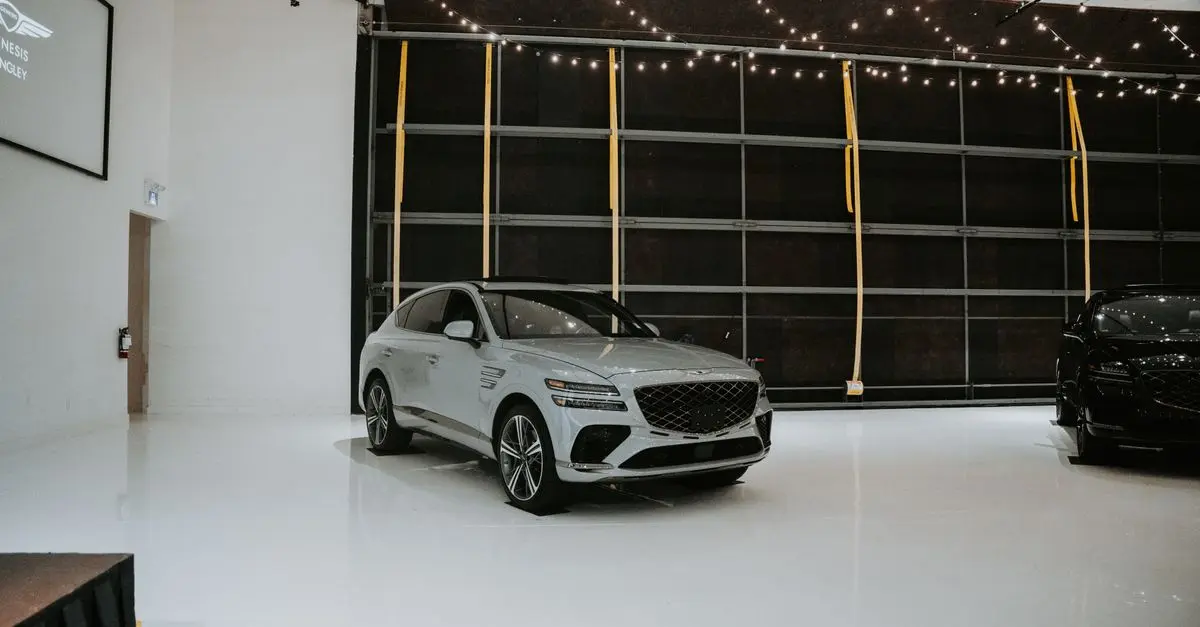
For example, a leading automotive brand can now develop a concept vehicle in a virtual space, allowing multiple teams to collaborate easily, irrespective of their physical locations. Instead of relying solely on physical prototypes—which are costly and time-consuming—VR allows instant adjustments and immediate feedback.
This leads to a reduction in development time by approximately 25%, according to a study conducted by Automotive Innovation Council (2026). By simulating the user environment within virtual spaces, designers can test ergonomics and aesthetics in real-world scenarios, ensuring that the end product resonates with consumers and meets safety standards. Such adaptability plays an essential role in the increasingly competitive automotive landscape.
Enhanced Manufacturing Processes
Adopting VR technology in manufacturing also offers significant advantages. Workers can be trained using simulations, familiarizing them with complex machinery and assembly lines before they engage in actual production. This approach minimizes errors and enhances workplace safety.
Ford, for instance, applies VR to train employees, enabling them to interact with fully virtual assembly lines. This hands-on experience reduces onboarding time by 30% and significantly lowers the number of injuries in the workplace. Moreover, with the able assistance of VR, managers can pinpoint inefficiencies within production processes by visualizing workflows and identifying bottlenecks.
By embracing VR in manufacturing environments, automotive companies not only cut down costs but also improve overall quality. Such forward-thinking strategies PMon-end operations will be vital in future endeavors within the automotive sector.
New User Experiences for Drivers
The infusion of VR into in-car experiences marks a pivotal shift in how drivers interact with their vehicles. Automotive manufacturers now implement entertainment systems that employ VR technology, offering users immersive experiences while commuting.
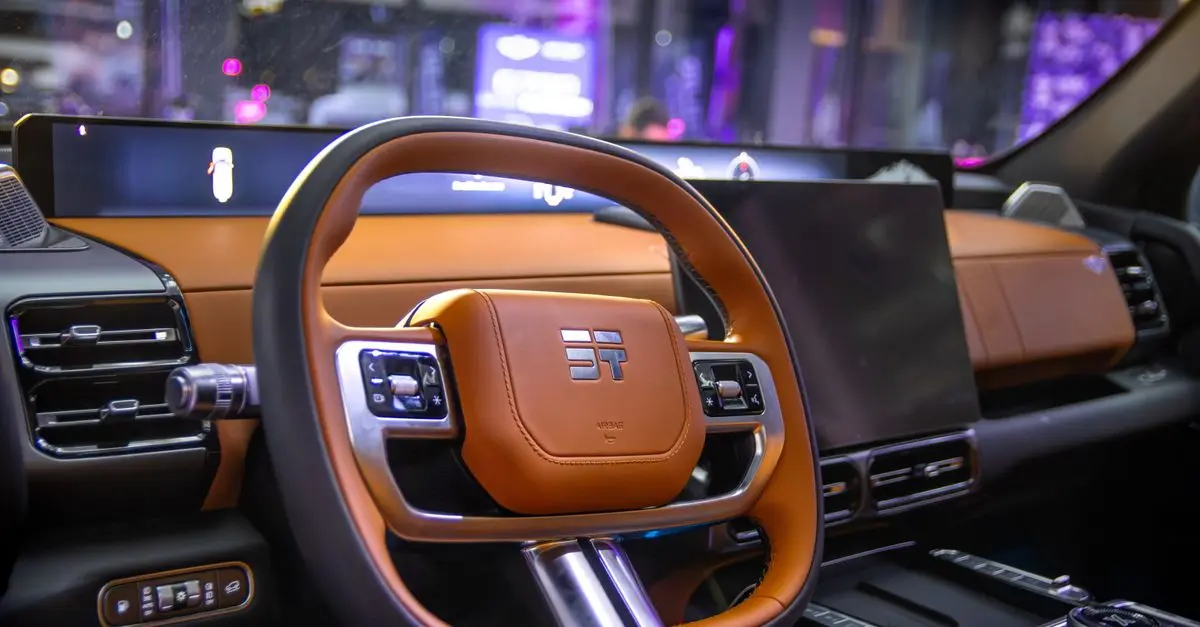
For example, Tesla has introduced a VR system that projects interactive games onto the screens within the car, transforming waiting times into engaging experiences. Furthermore, navigation systems integrating AR features provide drivers with real-time information displayed overlaid on their windshields, ensuring easier navigation and safer driving conditions. By 2026, about 30% of new vehicles are expected to include AR features.
Safety Training through Simulations
Safety training has greatly improved through the incorporation of VR technology in automotive education and training programs. Automobile manufacturers and educational institutions utilize virtual simulations for teaching various aspects of vehicle safety and repair.
Realistic driving environments can be recreated in VR, providing learners with exposure to various driving conditions without the associated risks. Through these simulations, individuals can practice emergency maneuvers and critical decision-making skills in a safe setting. A report by the National Highway Traffic Safety Administration mentions that VR training programs have increased retention rates on safety protocols by up to 70% compared to traditional training methods. This indicates a substantial improvement in preparing both new drivers and repair technicians for real-world challenges.
Nonin Medical NoninConnect™ Finger Pulse Oximeter with Bluetooth® Smart Wireless Technology
concordhealthsupply.com


Milwaukee Leather 7.4V Men's True All Seasons Leather Jacket with Heated and Cool Technology
thewarmingstore.com
Cost Efficiency in Automotive Development
Integrating virtual reality into automotive engineering heralds significant cost savings. By streamlining design and manufacturing processes, companies can reduce material costs and minimize waste. Furthermore, by experiencing immersive simulations, designers can finalize concepts earlier in the development cycle, avoiding costly late-stage revisions.
A report from the Automotive Industry Analysis (2026) states that companies adopting VR technology have seen an average reduction in development costs by 15%, demonstrating the financial viability of these immersive tools. Lower production costs translate to competitive pricing and increased profit margins, solidifying the case for widespread VR adoption throughout the automotive sector.
💡 Expert Insight: Virtual reality has revolutionized how automotive companies approach design and user experiences. Companies have reported increased innovation due to reduced design time, thereby enhancing their overall offerings to consumers.
📺 Resource Video
> 📺 For deeper insights: *Discover how virtual reality technology is transforming the automotive industry in 2026. Search on YouTube:
Recommended products
Selected by our experts

Plaud Note AI Voice Recorder with 2 Carrying Case, Note Recorder with App Control, Transcribe & Summarize with AI Technology, 64GB Memory
plaud.ai

Clinique Redness Solutions Makeup Broad Spectrum SPF 15 With Probiotic Technology, Calming Honey - 1 fl. oz./30 ml
clinique.com

Plaud Note AI Voice Recorder, Voice Recorder w/Case, App Control, Transcribe & Summarize with AI Technology, Support 112 Languages, 64GB Memory,
plaud.ai

Plaud NotePin AI Voice Recorder, Voice Recorder with Adjustable Wearable Strap, Transcribe & Summarize with AI Technology, 64GB Memory
plaud.ai
Nonin Medical NoninConnect™ Finger Pulse Oximeter with Bluetooth® Smart Wireless Technology
concordhealthsupply.com
PLAUD Inc. Plaud Note AI Voice Recorder, Voice Recorder w/Case, App Control, Transcribe & Summarize with AI Technology, Support 112 Languages, 64GB
plaud.ai