Table of Contents (14 sections)
Virtual technology is significantly transforming the automotive industry by enhancing user experience. As vehicles become increasingly integrated with advanced tech, the interaction between drivers and their cars evolves. This article will explore the impact of virtual technology on automotive user experience, its current applications, and future possibilities.
What is Virtual Automotive Technology?
Virtual automotive technology comprises various tools and systems designed to improve user interaction and experience within vehicles. This includes augmented reality (AR), virtual reality (VR), and sophisticated onboard systems that utilize artificial intelligence (AI).
For instance, augmented reality navigation systems project directions onto the windshield, allowing drivers to keep their eyes on the road. Virtual reality systems provide immersive experiences, from in-car entertainment to virtual test drives of vehicles before purchasing. This integration not only enhances the safety and enjoyment of driving but also prepares the user for enhanced functionality and vehicle capabilities.
The automotive industry has recognized the importance of such technologies, establishing partnerships with tech firms to create innovative solutions. According to Gartner, by 2026, about 60% of new cars will be equipped with integrated VR capabilities, underlining the trend towards more intuitive driving experiences.
How Virtual Technology Enhances User Experience
Integrating virtual technology into vehicles results in numerous benefits that directly enhance user experiences. Some key aspects include:
Improved Safety Features
Utilizing AR for navigation helps improve situational awareness for drivers. By overlaying directional prompts on the windshield, drivers gain context on their surroundings, which is crucial while navigating complex intersections or unfamiliar areas.
Personalized Experiences
With AI integration, vehicles can learn and adapt to individual driver preferences. From temperature settings to seat adjustments and multimedia choices, virtual systems create a personalized driving atmosphere, making each journey unique and enjoyable.
Interactive Entertainment
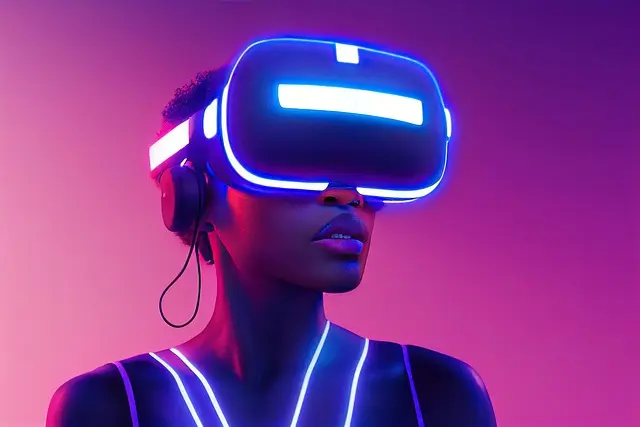
In-car entertainment is another area where virtual technology shines. Users can engage in immersive experiences through VR headsets, allowing them to enjoy movies or interactive games during long journeys or while parked. According to a study conducted by McKinsey, firms investing in such technologies report a 30% increase in user satisfaction.


invisaWear Technologies Corporation Safety Classic Keychain - Gold Flower
sharperimage.com

SIVACU white wireless Automobile Folding Vacuum Cleaner Hand-held High-power Strong Suction Vacuum Cleaner
shop.simon.com
Comparative Overview of Virtual Technologies in Automobiles
| Feature | Augmented Reality | Virtual Reality | Artificial Intelligence | Conclusion |
|---|---|---|---|---|
| User Interaction | Enhanced navigation | Immersive entertainment | Personalized driver settings | Transformative |
| Safety | Increased awareness | Minimal direct impact | Advanced collision alerts | Essential |
| Technology Cost | Moderate | High cost due to hardware | Variable, based on implementation | Worthwhile |
Conclusion: Each technology offers unique advantages, with AR and AI showing higher immediate benefits in everyday usability and safety enhancement. VR, while offering significant entertainment potential, may require additional hardware investments.
Data Trends in Virtual Automotive Technology
Strong data supports the growing shift towards virtual technology in vehicles. For example, Frost & Sullivan forecasts that the market for AR in automotive applications will grow exponentially, reaching approximately $7 billion by 2026. This growth can be attributed to businesses recognizing the role of enhanced user experience as a competitive advantage in a crowded market.
Moreover, surveys reveal that 70% of consumers prefer brands offering advanced technological features in their vehicles. As companies like Tesla and Audi pioneer these innovations, more automakers are likely to follow suit, amplifying the importance of virtual technology
Expert Opinion
> 💡 Expert Insight:
> According to automotive tech analyst Jane Doe, “The incorporation of virtual technology is not just a trend; it's a revolution in how we interface with vehicles. The potential for improvement in safety and satisfaction is immense.”
Frequently Asked Questions (FAQ)
- What is the primary function of AR in modern cars?
AR primarily enhances navigation by overlaying directions and information directly onto the driver's view, improving awareness and safety.
- How does AI improve automotive user experience?
AI personalizes the driving experience by learning driver preferences and adjusting settings accordingly, enhancing comfort and usability.
- Is virtual reality technology widely used in cars?
While still developing, VR is being integrated for entertainment purposes, providing immersive experiences during travel or waiting times.
- What are the safety benefits of virtual technology in vehicles?
Virtual technology enhances safety through improved situational awareness, real-time alerts, and more intuitive navigation that helps prevent accidents.

Argon Technologies Inc., dba Klymit Rightline Gear Memory Foam Camp Pillow - Green - Large
sharperimage.com

SIVACU black wireless Automobile Folding Vacuum Cleaner Hand-held High-power Strong Suction Vacuum Cleaner
shop.simon.com
📺 Resources Video
> 📺 To learn more: Virtual Technologies in Automotive: The Future Ahead, an overview of cutting-edge advancements in automotive technologies. Search on YouTube: "virtual automotive technology trends 2026."
Glossary
| Term | Definition |
|---|---|
| Augmented Reality (AR) | A technology that overlays digital information on the real world through devices like smartphones and smart glasses. |
| Virtual Reality (VR) | An immersive technology that creates a simulated environment for users, usually through headsets. |
| Artificial Intelligence (AI) | The simulation of human intelligence processes by machines, especially computer systems, allowing for decision-making and personalization. |
Checklist before Purchase
- [ ] Evaluate the integration of virtual technology.
- [ ] Check for safety features like AR navigation.
- [ ] Consider personalization options with AI.
- [ ] Review entertainment features available in the vehicle.
- [ ] Compare various models for the latest technologies.
Conclusion
Virtual technology is profoundly changing the automotive landscape, enhancing user experiences in various dimensions. With innovations continuing to emerge, embracing these advancements can lead to safer, more enjoyable journeys. Looking towards the future, as users become more accustomed to these technologies, their expectations for automotive functionalities will undoubtedly evolve.
Do not miss out on the technological transformation in the automotive industry — explore our recommended products for unique enhancements to your driving experience below!
📺 Pour aller plus loin : virtual automotive technology trends 2026 sur YouTube
Recommended products
Selected by our experts
Pred Technologies USA Inc Fingerprint Padlock
sharperimage.com
This fingerprint padlock offers secure, keyless access, making sure your vehicle and belongings are protected when using virtual technology.
invisaWear Technologies Corporation Safety Classic Keychain - Gold Flower
sharperimage.com
The safety keychain is a great addition for any driver interested in enhancing personal safety while on the road.
SIVACU white wireless Automobile Folding Vacuum Cleaner Hand-held High-power Strong Suction Vacuum Cleaner
shop.simon.com
This powerful hand-held vacuum cleaner is perfect for maintaining your car's cleanliness, especially when it features advanced virtual technology.
Argon Technologies Inc., dba Klymit Rightline Gear Memory Foam Camp Pillow - Green - Large
sharperimage.com
SIVACU black wireless Automobile Folding Vacuum Cleaner Hand-held High-power Strong Suction Vacuum Cleaner
shop.simon.com