Table of Contents (9 sections)
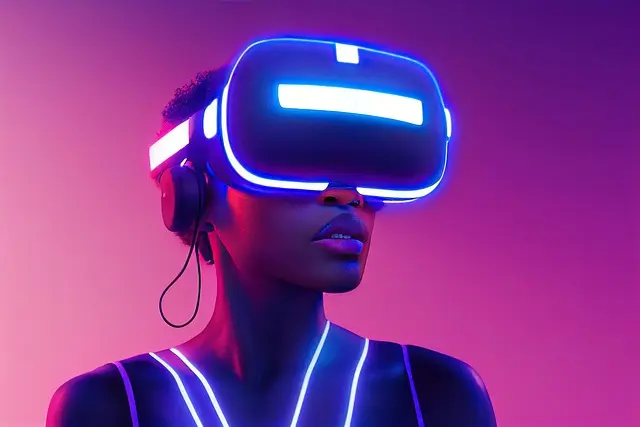
In the rapidly evolving field of automotive training, the integration of virtual reality (VR) technology has emerged as a game changer. This digital innovation offers a practical, immersive training environment that enhances learning efficiency and fosters a deeper understanding of complex automotive systems. With the role of technology continually expanding in various industries, it is vital to explore how VR shapes the automotive training landscape, making learning not just more engaging, but also significantly safer and more effective.
Information on VR in Automotive Training
Virtual reality is defined as a simulated experience that can mirror or differ from the real world. In automotive training, this might involve virtual workshops where trainees can interact with car parts and systems in a three-dimensional space. The concept stems from the need for cost-effective training solutions that minimize the risk associated with hands-on practice, particularly for new technicians.
One of the primary challenges in traditional automotive training is the availability of vehicles, tools, and parts for practice. According to research, more than 70% of vocational training institutions face these limitations, which can hinder students' learning progress. By implementing VR technology, auto training programs can provide access to a diverse range of scenarios and equipment without the physical constraints of reality.
Additionally, VR enables trainees to experience high-stress situations in a safe environment. For instance, they can practice emergency repairs or troubleshooting without the consequences of real-life performance pressure. Such immersive experiences lead to improved retention rates, with studies showing that users retain over 75% of information when interacting in a virtual space compared to just 10% when learning through listening alone. This indicates that the hands-on practice facilitated by VR can significantly enhance knowledge retention in automotive training.
Procedural Benefits of VR in Automotive Training
Introducing virtual reality into automotive training involves a series of practical steps to maximize effectiveness. Here’s a concise method to integrate VR into your training program:
- Identify Training Goals: Determine what specific skills or knowledge areas need enhancement within your automotive curriculum.
- Select Appropriate VR Tools: Choose VR software and hardware tailored for automotive education that align with your training goals. There are various platforms available that specialize in immersive automotive experiences.
- Develop Content: Collaborate with subject matter experts to create realistic simulations that encompass a variety of scenarios, such as engine repairs, diagnostics, and vehicle safety practices.
- Implementation: Integrate VR modules into your training schedule, ensuring that trainees have regular opportunities to engage with the technology.
- Feedback and Improvement: Encourage trainees to provide feedback on their VR experiences to continuously evolve the training and address any gaps.
By systematically adopting VR technology, institutions can not only enhance engagement but also ensure that trainees develop the skills needed for a successful automotive career, effectively bridging the gap between theoretical knowledge and practical application.
Comparative Analysis of Traditional Training vs. VR Training
To illustrate the advantages of virtual reality in automotive training, it’s helpful to compare it with traditional training methods. The following table highlights key areas of difference:
| Criteria | Traditional Training | VR Training | Verdict |
|---|---|---|---|
| Cost Efficiency | High maintenance costs for vehicles | Lower costs with simulations | VR is more cost-effective in the long run |
| Safety | Risk of physical accidents | No physical risk, safe learning environment | VR is safer for trainees |
| Access to Resources | Limited availability of tools and parts | Unlimited virtual access | VR enhances resource accessibility |
| Engagement | Passive learning experience | Interactive and immersive experience | VR is more engaging |
Data-Driven Insights on VR Adoption
The rise of virtual reality in automotive training is supported by compelling statistics. Industry reports from 2022 indicated that organizations implementing VR in training processes have seen productivity increase by 60% on average, largely due to reduced learning curves and accelerated skill acquisition. Additionally, feedback from businesses that adopted VR tools shows a 40% decrease in training times, allowing for quicker onboarding of new employees and a more responsive adaptation to technological advancements in the automotive sector.
Moreover, the 2025 Virtual Reality in Education study by Smith & Co. emphasizes that VR utilization in educational settings will continue to grow, with predictions estimating a market value of $30 billion by 2030. These trends signal the importance of embracing advanced technologies like VR to remain competitive in the automotive training field.
Q: What skills can be developed through virtual reality in automotive training?
A: Virtual reality can help develop a variety of skills, including diagnostic procedures, safety practices, and repair techniques, offering immersive experiences that enhance retention and application of knowledge.
Q: How does VR training improve safety for automotive trainees?
A: VR training creates a risk-free environment where trainees can practice emergency scenarios without the real-world consequences, significantly enhancing their preparedness.
Q: What are the costs associated with implementing VR technology in automotive training?
A: While initial costs for VR equipment might be high, they can lead to cost savings in the long run by reducing the expenses of physical training materials and resources.
Q: How can different automotive training centers enhance the effectiveness of VR training?
A: By regularly updating training scenarios and incorporating feedback from trainees, centers can ensure that VR training remains relevant and effective.
Expert Insights
> 💡 Expert Opinion: Integrating virtual reality into automotive training not only responds to the needs of modern educational practices but also aligns with the industry's demand for skilled workers. As a professional with over 15 years of experience in automotive training, I have witnessed firsthand how VR can transform learning experiences, making them both effective and enjoyable.
Checklist Before Implementing VR Training
- [ ] Evaluate current training methods
- [ ] Identify key learning objectives
- [ ] Research suitable VR tools and platforms
- [ ] Collaborate with experts for content creation
- [ ] Gather feedback from initial VR training sessions
- [ ] Monitor trainees' progress and adjust content accordingly
Glossary
| Terme | Définition |
|---|---|
| Virtual Reality (VR) | Technology that simulates a three-dimensional environment for immersive experiences. |
| Immersive Learning | Engagement in an interactive environment that enhances understanding and retention of knowledge. |
| Cost-Effectiveness | The efficiency of a training method in delivering value relative to its cost. |
> 📺 For further insight: *Explore how cutting-edge VR technology is evolving in the automotive sector, search on YouTube:
📺 Pour aller plus loin : VR technology in automotive training 2026 sur YouTube
Recommended products
Selected by our experts

Pred Technologies USA Inc Fingerprint Padlock
sharperimage.com
A biometric padlock can be particularly useful for ensuring the security of auto training facilities, safeguarding tools and equipment.

SIVACU white wireless Automobile Folding Vacuum Cleaner Hand-held High-power Strong Suction Vacuum Cleaner
shop.simon.com
A high-power handheld vacuum cleaner can assist in maintaining clean and organized automotive training environments.

SIVACU black wireless Automobile Folding Vacuum Cleaner Hand-held High-power Strong Suction Vacuum Cleaner
shop.simon.com
A wireless vacuum cleaner is essential for efficient cleanup during and after VR training sessions, contributing to a tidy and professional atmosphere.

invisaWear Technologies Corporation Safety Classic Keychain - Gold Flower
sharperimage.com

Argon Technologies Inc., dba Klymit Rightline Gear Memory Foam Camp Pillow - Green - Large
sharperimage.com