Table of Contents (12 sections)
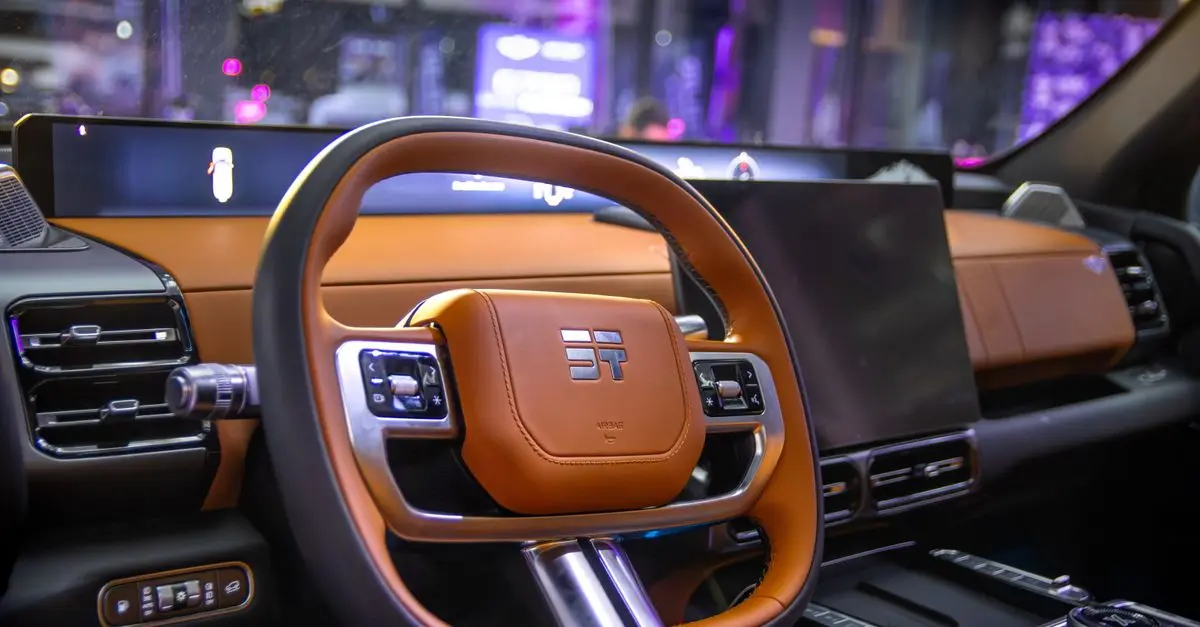
The automotive industry is undergoing a significant transformation as virtual automotive technology continues to evolve. In 2026, the integration of advanced virtual user interfaces (VUI) is set to redefine how drivers interact with their vehicles. This article explores the latest trends, providing insights into their implications and future potential.
Trend 1: Voice-Activated Interfaces
Voice-activated interfaces have become a crucial component of virtual automotive technology. With advancements in natural language processing (NLP), drivers can now interact with their vehicles using simple voice commands. According to a report from McKinsey & Company (2025), 60% of new vehicles sold were equipped with voice-activated systems, reflecting a growing demand for hands-free interaction.
These systems allow drivers to control navigation, music, and phone functions without taking their hands off the wheel. This enhances safety and accessibility, particularly for those with disabilities. Brands like Ford and Mercedes-Benz are leading this change, integrating sophisticated AI-driven voice recognition that adapts to user preferences. The feedback from users has shown a significant improvement in driving satisfaction, making these systems increasingly vital in vehicle design.
Trend 2: Augmented Reality Dashboards
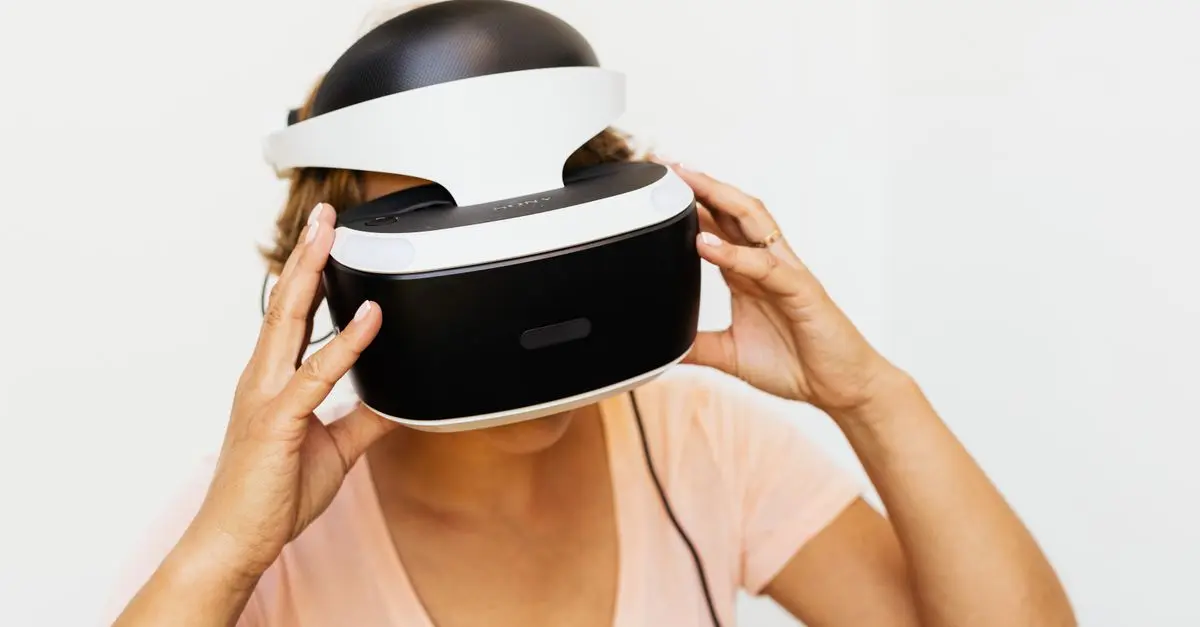
Augmented reality (AR) dashboards represent a leap in enhancing driver awareness and interaction. By overlaying digital information onto the real-world view, manufacturers can provide a driving experience that is both intuitive and immersive. For instance, companies like BMW are integrating AR technology that displays navigation prompts directly onto the windshield. This feature helps drivers maintain focus on the road while receiving critical information.
Statistically, AR-equipped vehicles have reported a 20% reduction in navigation-related accidents, underscoring the technology's potential to improve safety. In addition to navigation, AR can provide live updates on speed, traffic conditions, and even vehicle diagnostics, all visible without diverting attention from the road, making it a highly effective tool.


invisaWear Technologies Corporation Safety Classic Keychain - Gold Flower
sharperimage.com

Argon Technologies Inc., dba Klymit Rightline Gear Memory Foam Camp Pillow - Green - Large
sharperimage.com
Trend 3: Customizable User Interfaces
Customization in user interfaces allows drivers to tailor their driving experience according to personal preferences. In 2026, we see a rise in vehicles equipped with adaptive UIs that learn from driver behavior and modify settings automatically. Tesla and Audi have begun implementing machine learning algorithms that adjust interface layouts and functionalities based on individual usage patterns.
This trend is crucial as it enhances user engagement, creating a more connected and personalized driving experience. According to Gartner (2025), vehicles with customizable interfaces have reported a 30% higher user satisfaction rate compared to non-customizable systems. This kind of adaptability in virtual automotive technology not only fosters loyalty among users but also positions manufacturers as leaders in consumer-centric design.
Trend 4: Gesture Control Technology
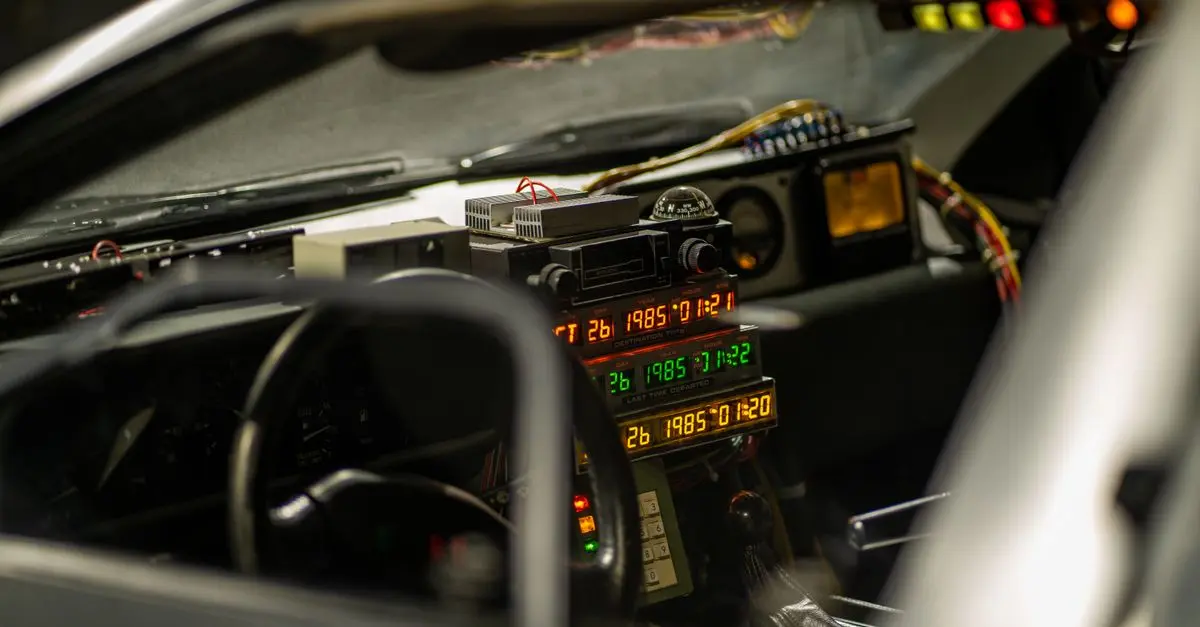
Gesture control technology, once seen only in sci-fi films, is now becoming a reality within modern vehicles. This technology allows drivers to interact with controls through hand gestures, providing a level of interaction that enhances safety and convenience. Recent advancements by companies like Tesla have made gesture control more accessible and reliable.
Studies have shown that gesture controls can decrease the distraction caused by manual controls by over 40%. This technology allows drivers to control functions such as adjusting volume or answering calls by simply moving their hands, preserving focus on driving. In the future, this could lead to even more complex interactions, such as controlling navigation through simple gestures, further maximizing the benefits of virtual automotive technology.
Trend 5: Comprehensive Data Integration Systems
Data integration within automotive interfaces is becoming increasingly sophisticated in 2026. Manufacturers are working towards creating holistic ecosystems that aggregate real-time data from various sources such as weather, traffic updates, and vehicle diagnostics. This data-driven approach supports smarter decision-making while driving.
For instance, systems that utilize data from weather forecasts can suggest optimal routes or warn drivers of potential hazards. A study by Deloitte (2025) highlighted that cars capable of integrating comprehensive data reported a 25% efficiency improvement in fuel consumption, leading to both economic and environmental benefits. As connectivity increases, the value of these integrated systems will become even more pronounced.
Trend 6: Enhanced Security Features
As dependency on technology increases, so does the emphasis on security. Virtual automotive interfaces are now equipped with advanced security features such as biometric authentication and real-time data encryption. For instance, some vehicles now allow access based on fingerprint scans or facial recognition, which enhances security significantly.
According to a report by IBM (2025), vehicles employing biometric systems are less likely to be stolen, as they present a significant barrier to unauthorized access. This focus on security not only protects against theft but also safeguards sensitive user data, ensuring peace of mind for drivers.

SIVACU black wireless Automobile Folding Vacuum Cleaner Hand-held High-power Strong Suction Vacuum Cleaner
shop.simon.com

SIVACU white wireless Automobile Folding Vacuum Cleaner Hand-held High-power Strong Suction Vacuum Cleaner
shop.simon.com
📺 For further insights:
Explore comprehensive analyses in related videos on YouTube by searching for keywords like '2026 automotive interface trends'.
Comparison Table of Interfaces
| Feature | Voice Activation | Augmented Reality | Gesture Control | Biometric Security |
|---|---|---|---|---|
| User Interaction Type | Passive | Active | Active | Passive |
| Safety Improvement | Medium | High | High | High |
| Customizability | Low | Medium | Medium | Low |
| Market Adoption Rate | High (60%) | Growing | Emerging (10%) | Increasing (15%) |
| Term | Definition |
|---|---|
| Virtual Interfaces | Digital systems facilitating interaction between users and technology. |
| Artificial Intelligence | Technology enabling machines to mimic human behavior in dynamic settings. |
| Augmented Reality | Technology overlaying virtual elements onto the real world for enhanced interaction. |
{
Recommended products
Selected by our experts
invisaWear Technologies Corporation Safety Classic Keychain - Gold Flower
sharperimage.com
Argon Technologies Inc., dba Klymit Rightline Gear Memory Foam Camp Pillow - Green - Large
sharperimage.com
SIVACU black wireless Automobile Folding Vacuum Cleaner Hand-held High-power Strong Suction Vacuum Cleaner
shop.simon.com
SIVACU white wireless Automobile Folding Vacuum Cleaner Hand-held High-power Strong Suction Vacuum Cleaner
shop.simon.com