Table of Contents (16 sections)
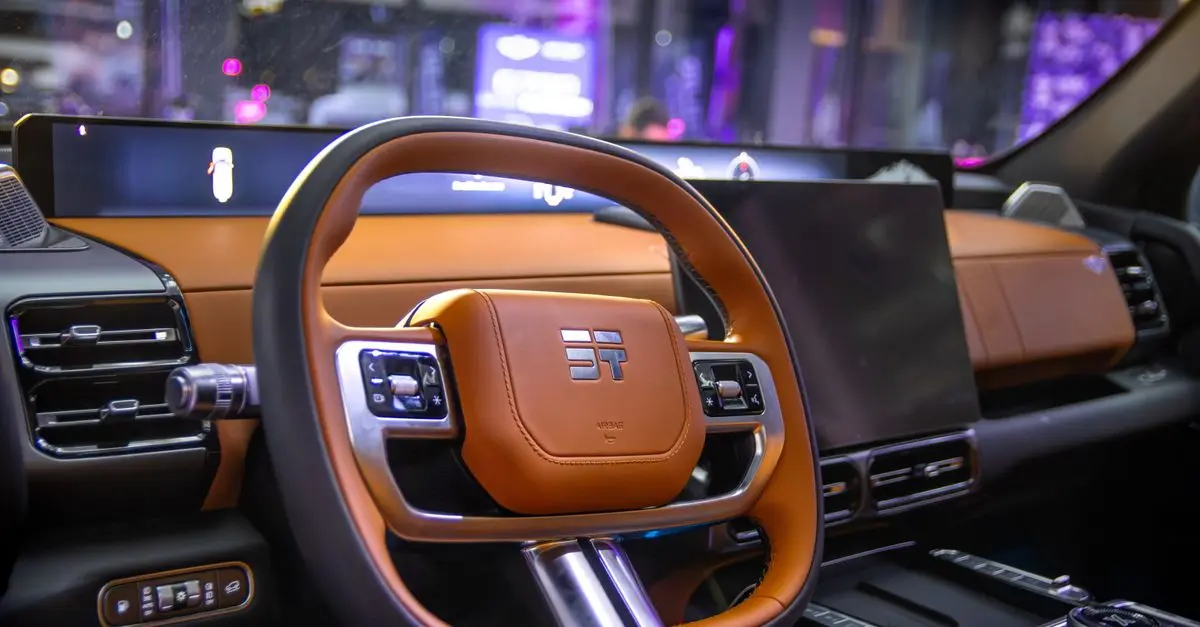
In recent years, virtual technology has transformed the automotive industry, providing new opportunities for innovation and enhancing the driving experience. From augmented reality displays to advanced navigation systems, the integration of advanced digital tools has revolutionized how we interact with our vehicles. Here, we explore the top 10 benefits of using virtual technology in cars, highlighting how it enhances safety, efficiency, and overall user experience.
1. Enhanced Safety Features
One of the primary benefits of virtual technology is the enhancement of safety features within vehicles. Advanced driver assistance systems (ADAS) use sensors and cameras to provide real-time data about the vehicle's surroundings. Features such as lane departure warning, adaptive cruise control, and automatic emergency braking utilize this technology to help prevent accidents. For instance, according to a report by IIHS, vehicles equipped with these systems can reduce crash rates significantly, showcasing the life-saving potential of virtual technology in the automotive space.
2. Virtual Dashboards and Augmented Reality Displays
Virtual dashboards provide drivers with essential information in a customizable format, enhancing user engagement and minimizing distractions. Augmented reality (AR) displays overlay critical data, such as speed and navigation directions, directly onto the windshield. This technology not only keeps the driver's eyes on the road but also allows for seamless navigation through complex traffic situations, improving overall driving experience and efficiency.

Professional in Compensation and Benefits
Alison US CA
Sponsored by Parfumerie exclusive

Specialization in Compensation and Benefits
Alison US CA
Sponsored by Parfumerie exclusive

Understanding UK Welfare Rights and Benefits
Alison US CA
Sponsored by Parfumerie exclusive
3. Advanced Navigation Systems
Modern navigation systems leverage virtual reality to provide real-time updates and 3D mapping. Users can visualize their routes in a more immersive way, making it easier to navigate unfamiliar areas. Additionally, systems that include traffic updates can guide drivers to avoid congested routes, saving time and reducing fuel consumption. According to UFC-Que Choisir, such systems can enhance driving efficiency by up to 30% in urban settings.
4. Improved Vehicle Maintenance
Virtual technology also revolutionizes vehicle maintenance through predictive diagnostics and connected car technology. By monitoring vehicle performance in real-time, systems can send alerts about potential issues before they become major problems. This proactive approach helps minimize breakdowns and enhances vehicle longevity, leading to lower maintenance costs over time.
5. Customizable Driving Experiences
The integration of virtual technology allows for a more personalized driving experience. Drivers can tailor their vehicle settings—from climate control to seat adjustments—through mobile apps or voice commands. For instance, many brands now offer features that remember user preferences, creating a comfortable environment tailored for each individual. This level of customization contributes significantly to overall user satisfaction.
6. Remote Access and Control
With the rise of connected vehicles, remote access capabilities are becoming a standard expectation among car owners. Features such as smart locking systems, remote start, and vehicle tracking can be controlled through smartphones or smartwatches. This convenience offers peace of mind, especially for owners concerned about vehicle security. According to Les Numériques, nearly 70% of drivers appreciate having remote access to their vehicle's features.
7. Enhanced Entertainment Options
Entertainment systems in modern cars have evolved dramatically thanks to virtual technology. Drivers and passengers can enjoy high-definition screens, streaming services, and interactive applications. These systems not only provide entertainment during travels but also help keep passengers engaged, making long journeys more enjoyable.
8. Environmentally Friendly Solutions
Advanced virtual technologies contribute to sustainability in the automotive industry. Features such as energy management systems help reduce fuel consumption and emissions by optimizing engine performance. Additionally, virtual simulations assist manufacturers in designing more efficient electric vehicles, contributing to environmental goals. Reports from ADEME suggest that vehicles equipped with such technologies can reduce CO2 emissions by up to 25% compared to older models.
9. AI-Driven Personal Assistants
The use of AI-driven personal assistants within vehicles has amplified the convenience for drivers. These systems can respond to voice commands to control navigation, music, and even vehicle settings, all while keeping the driver’s focus on the road. This not only enhances the driving experience but also minimizes distractions, leading to safer driving conditions.
10. Continuous Software Updates
Finally, virtual technology enables manufacturers to deliver continuous software updates to vehicles, correcting bugs and improving functionality over time. This approach ensures that vehicles remain up-to-date with the latest features and security enhancements without requiring a visit to the dealership. As a result, owners can benefit from an ongoing improvement in their driving experience and vehicle safety.
📺 Ressource Vidéo
> For more insights on virtual automotive technology, check out this informative video on YouTube: "The Future of Driving: Virtual Technology in Cars". Search for "virtual technology in cars 2026" for more details.
Glossaire
| Terme | Définition |
|---|---|
| Technologie automobile virtuelle | L'intégration de technologies numériques avancées pour améliorer l'expérience de conduite. |
| Réponse aux urgences | Systèmes d'alerte conçus pour réagir rapidement en cas d'incidents sur la route. |
| Personnalisation | Capacité à adapter les paramètres d'un véhicule aux préférences individuelles de l'utilisateur. |
Checklist avant achat
- [ ] Vérifiez les fonctionnalités de sécurité.
- [ ] Évaluez les systèmes de navigation disponibles.
- [ ] Contrôler la connectivité et les options de personnalisation.
- [ ] Examinez les options de divertissement offertes.
- [ ] Découvrez les capacités de mise à jour logicielle.
Conclusion
The integration of virtual technology in cars is not just a trend; it’s a transformative force that enhances safety, efficiency, and user satisfaction. As technology continues to evolve, we can expect even more benefits that will reshape the way we perceive and experience driving. Whether you're considering an upgrade or simply curious about future trends, understanding these technologies will prepare you for the road ahead.
📺 Pour aller plus loin : virtual technology in cars 2026 sur YouTube
Recommended products
Selected by our experts
Understanding UK Welfare Rights and Benefits
Alison US CA
Sponsored by Parfumerie exclusive