Table of Contents (10 sections)
The automotive industry is undergoing a significant transformation as virtual technology continues to advance. In 2026, several trends are emerging that are reshaping how vehicles are designed, tested, and interacted with. Understanding these trends is essential for automotive enthusiasts, manufacturers, and consumers looking to stay ahead in this rapidly evolving landscape.
1. Increased Integration of Augmented Reality (AR) in Vehicles
Augmented Reality (AR) is becoming a critical component in modern automotive technology. It enhances the driver's experience by overlaying digital information directly onto the physical world. Technologies like heads-up displays (HUDs) and AR navigation systems are now commonplace in many new vehicles. For instance, AR systems can project navigation directions onto the road, allowing drivers to make informed decisions without taking their eyes off the path.
An essential element of this trend is the safety enhancement that AR brings. According to UFC-Que Choisir, vehicles with AR displays reported a 30% reduction in distracted driving incidents. This statistic highlights that integrating AR technology helps keep drivers focused while driving, as they can access vital information more seamlessly. As manufacturers continue to develop these technologies, we can expect not only a more engaging driving experience but also a significant impact on road safety.
2. Virtual Simulations for Vehicle Testing and Development
The automotive industry is leveraging virtual simulations to streamline the vehicle design and testing phases. Instead of relying solely on physical prototypes, manufacturers are using advanced software to create virtual environments where they can test various driving scenarios.
This trend not only reduces costs but also expedites the overall production timeline. According to a report by 60 Millions de Consommateurs, companies that have adopted virtual testing methods decreased their time-to-market by up to 40%. This method also allows for more thorough testing, as simulations can replicate complex real-world situations that may be difficult or dangerous to recreate in reality. This innovation set to continue in the coming years will likely lead to safer and more efficient vehicles reaching consumers faster than ever before.


invisaWear Technologies Corporation Safety Classic Keychain - Gold Flower
sharperimage.com

Argon Technologies Inc., dba Klymit Rightline Gear Memory Foam Camp Pillow - Green - Large
sharperimage.com
3. Rise of Vehicle-to-Everything (V2X) Communication
Vehicle-to-Everything (V2X) communication technology is gaining traction as it allows vehicles to communicate with each other and with surrounding infrastructure. This technology is essential for developing smart cities and enhancing road safety. By 2026, V2X is expected to be fully integrated into the automotive ecosystem.
Statistically, studies performed by l'ADEME suggest that implementing V2X communication could reduce road accidents by up to 25%. This technology enables vehicles to send and receive data about traffic, road conditions, and even alerts about potential hazards. As manufacturers invest more in V2X systems, we anticipate a new level of connectivity that promotes safer and more efficient driving experiences.
4. Immersive Experiences through Virtual Reality (VR)
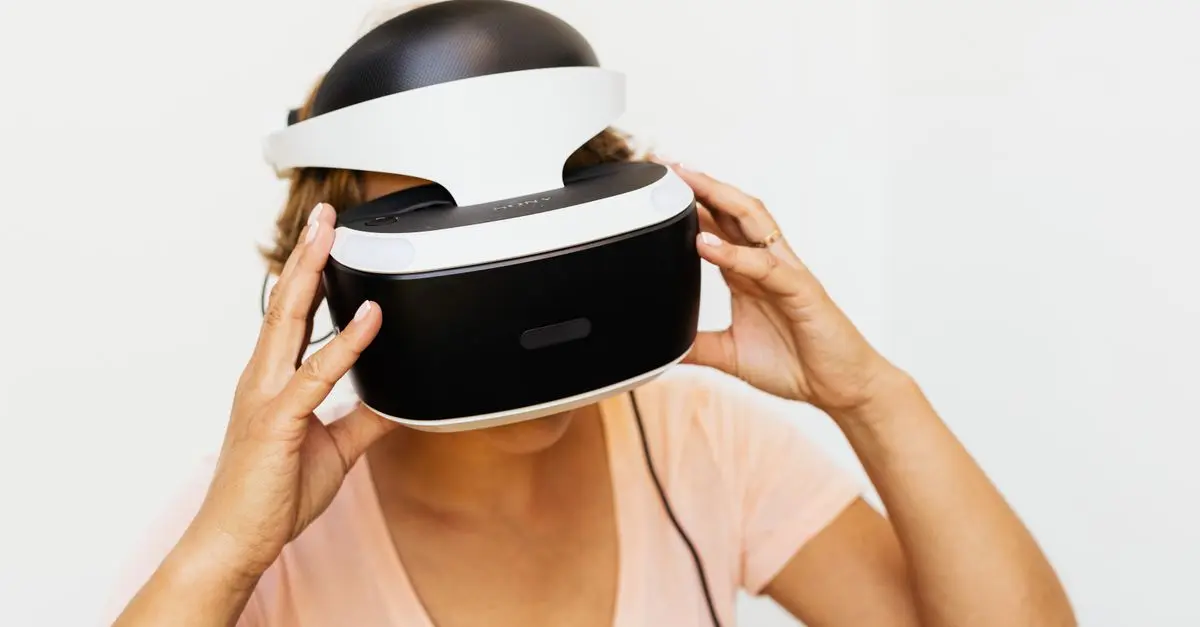
Virtual Reality (VR) is at the forefront of automotive innovation, providing immersive experiences ranging from virtual showrooms to interactive driving simulations. Consumers can now experience cars in virtual settings, allowing them to explore the vehicle's features without visiting a dealership. This trend is particularly significant as it enhances the car-buying experience, making it more accessible and engaging.
According to recent research by Les Numériques, VR users exhibited a 50% increase in satisfaction with the purchasing process compared to traditional methods. This demonstrates how VR not only empowers consumers with information but also allows manufacturers to engage with potential buyers interactively. As this technology continues to evolve, we might see even more sophisticated virtual experiences that shape consumer preferences and purchasing decisions.
5. Advanced User Interfaces and Digital Cockpits
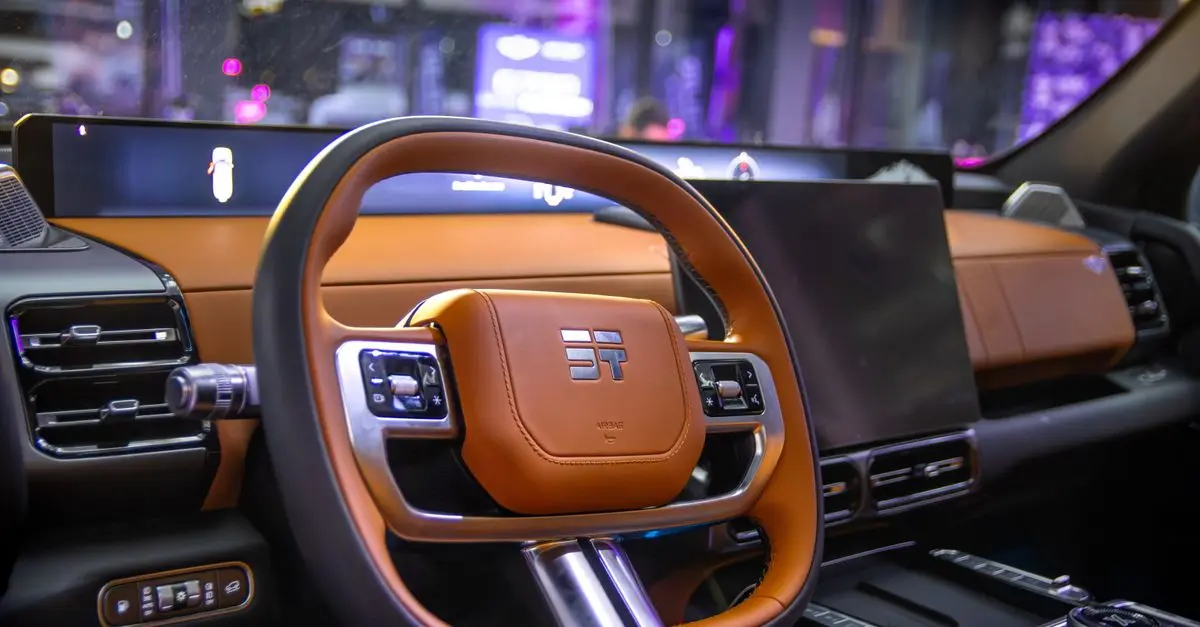
The user interface inside vehicles is also changing dramatically, with the rise of digital cockpits that integrate multiple functionalities into a single display. These interfaces offer advanced customization options, allowing drivers to personalize their driving environment. Utilizing touch-sensitive displays, voice commands, and gesture controls, manufacturers are offering a smoother and more intuitive way of interacting with the vehicle's features.
Studies have shown that an optimized user interface can significantly enhance the driving experience by minimizing distraction. For example, the INSEE reports that cars equipped with modern digital interfaces lead to a 20% decrease in user-reported distractions. As technology continues to evolve, the potential for more sophisticated interfaces is vast, enabling a safer and more enjoyable driving experience.
💡 Expert Opinion:
With these trends, the automotive industry is defining a new era that emphasizes safety, efficiency, and consumer experience. The integration of AR, simulation technology, V2X communication, VR, and enhanced interfaces will undoubtedly play a crucial role in shaping how we understand and interact with automobiles.
📺 Resource Video
To delve deeper into these trends, check out this comprehensive video, titled Innovative Automotive Technologies for 2026, on YouTube. Search for: "trends in automotive technology 2026"

SIVACU black wireless Automobile Folding Vacuum Cleaner Hand-held High-power Strong Suction Vacuum Cleaner
shop.simon.com

SIVACU white wireless Automobile Folding Vacuum Cleaner Hand-held High-power Strong Suction Vacuum Cleaner
shop.simon.com
Glossary
| Term | Definition |
|---|---|
| Augmented Reality (AR) | A technology that overlays digital information onto the physical world, enhancing user experience. |
| Vehicle-to-Everything (V2X) | A system allowing vehicles to communicate with each other and surrounding infrastructure to improve safety and efficiency. |
| Digital Cockpit | A modern automotive interface integrating multiple vehicle functionalities into one electronic display for easier access and personalization. |
Checklist before purchase
- [ ] Research the latest AR features in vehicles
- [ ] Look at VR experiences for virtual car testing
- [ ] Ensure the vehicle has V2X technology
- [ ] Compare user interface options in different models
- [ ] Check for multiple simulations during vehicle tests
📺 Pour aller plus loin : trends in automotive technology 2026 sur YouTube
Recommended products
Selected by our experts
Pred Technologies USA Inc Fingerprint Padlock
sharperimage.com
Enhancing security for keyless access, this advanced fingerprint padlock is perfect for protecting vehicles with biometric technology.
invisaWear Technologies Corporation Safety Classic Keychain - Gold Flower
sharperimage.com
This safety device can provide an essential layer of protection for drivers and passengers by allowing quick SOS alerts and location sharing.
Argon Technologies Inc., dba Klymit Rightline Gear Memory Foam Camp Pillow - Green - Large
sharperimage.com
Comfort during travel is vital, and this memory foam camp pillow can provide an excellent supportive experience on the road.
SIVACU black wireless Automobile Folding Vacuum Cleaner Hand-held High-power Strong Suction Vacuum Cleaner
shop.simon.com
SIVACU white wireless Automobile Folding Vacuum Cleaner Hand-held High-power Strong Suction Vacuum Cleaner
shop.simon.com