Table of Contents (18 sections)
Virtual automotive technology is transforming the way we interact with vehicles, enhance driving experiences, and streamline auto manufacturing processes. It encompasses various innovative solutions, including virtual reality (VR), augmented reality (AR), and artificial intelligence (AI), reshaping the automotive landscape. In this article, we will explore significant trends of 2026 in this dynamic field, showcasing their implications, challenges, and opportunities for both consumers and manufacturers.
📖 1. Immersive Virtual Reality Experiences
Immersive VR solutions in automotive
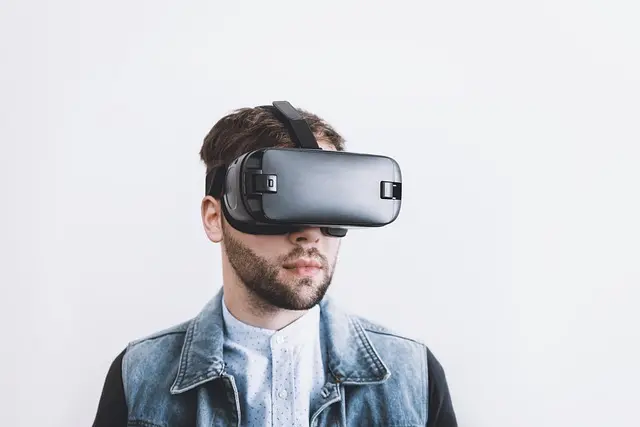
In 2026, immersive virtual reality (VR) technology has taken a front seat in automotive design, marketing, and customer engagement. Manufacturers now utilize VR to create realistic simulations of their vehicles, allowing potential buyers to experience car models without physically being present. According to a report by Deloitte, over 40% of car buyers in 2026 engage with VR platforms during their purchasing journey.
Utilizing VR for automotive configurations, consumers can personalize their vehicles, visualizing different colors, features, and even custom parts interactively. This capability not only enhances consumer satisfaction but also increases the likelihood of purchases. Companies like Tesla and Ford leverage VR showrooms, offering users a panoramic view of their vehicles’ interiors and exteriors. The enhanced user engagement through these immersive experiences is driving sales as buyers can see and feel the products before committing.
🔍 2. Augmented Reality in Maintenance and Repairs
AR as a troubleshooting assistant
As we move into 2026, augmented reality (AR) is revolutionizing vehicle maintenance and repair. AR technology aids technicians by overlaying digital information onto physical components, significantly improving accuracy and efficiency. For instance, AR-enabled headsets can provide a real-time, visual step-by-step guide when conducting repairs.
Research conducted by McKinsey & Company indicates that AR can reduce maintenance time by up to 25%. With detailed graphics and instructions projected onto the component, technicians can navigate complex repairs without extensive manuals. This technology not only minimizes errors but also enhances the training of new workers in workshops. Companies that adopt AR for maintenance see improved customer satisfaction rates, as repairs are done more swiftly and accurately.


invisaWear Technologies Corporation Safety Classic Keychain - Gold Flower
sharperimage.com

Argon Technologies Inc., dba Klymit Rightline Gear Memory Foam Camp Pillow - Green - Large
sharperimage.com
🔄 3. AI-Driven Virtual Assistants
The rise of AI in customer interaction
The utilization of AI-powered virtual assistants is on the rise in the automotive industry as of 2026. These virtual assistants, equipped with advanced natural language processing capabilities, provide real-time assistance to drivers. They can handle tasks ranging from navigation assistance to vehicle diagnostics and supply chain management.
A study from Gartner showed that 50% of automotive interactions were handled by AI systems by 2026. Virtual assistants not only enhance the driving experience but also allow manufacturers to collect valuable data on customer preferences and driving habits. This data is crucial for developing personalized marketing strategies and dealership interactions, making the buying process smoother and more efficient.
📊 4. Enhanced Safety Features Through VR and AR
Life-saving technologies in vehicles
In 2026, the integration of VR and AR technologies has significantly enhanced safety features in vehicles. For example, manufacturers are implementing AR displays on windshields, projecting critical information such as speed limits, navigation routes, and hazard alerts in real-time. This feature allows drivers to stay focused on the road while accessing important data without distraction.
Additionally, virtual reality is used in simulating accident scenarios to improve a vehicle’s design for crashworthiness. By testing vehicle safety features in a virtual environment, manufacturers can identify potential flaws early in the design process, saving costs and improving safety standards. NHTSA statistics indicate that vehicles equipped with these advanced safety technologies have 30% fewer accidents than those without.
🤔 5. Virtual Ownership Models
A shift in car ownership perspectives
By 2026, the concept of vehicle ownership is evolving beyond traditional models. Companies are promoting virtual ownership models through subscription services that allow consumers to access multiple vehicle types without purchasing them outright. Customers can choose the vehicle they need, whether it's a compact car for daily commutes or an SUV for a weekend trip, all managed through a virtual platform.
This approach not only appeals to younger consumers seeking flexibility but also promotes sustainable practices as fewer cars are manufactured and sold. According to a report by PwC, the subscription model for automotive ownership could account for 20% of vehicle sales in the coming years, reshaping the automotive market dynamics.
📉 6. Data Privacy and Security Challenges
Navigating the risks in automotive technology
While virtual automotive technologies bring numerous benefits, they also introduce crucial data privacy and security concerns. As vehicles become increasingly connected and data-driven, the risk of cyber threats grows. In 2026, the automotive industry has seen a rise in cybersecurity efforts, but consumer awareness and education are paramount.
Manufacturers are now implementing robust cybersecurity frameworks that ensure consumer data is encrypted and protected. Forrester reports highlight that more than 70% of consumers are concerned about their data privacy when using connected vehicles. As such, transparency about data use and sales practices is essential for companies striving to uphold consumer trust.
---

SIVACU black wireless Automobile Folding Vacuum Cleaner Hand-held High-power Strong Suction Vacuum Cleaner
shop.simon.com

SIVACU white wireless Automobile Folding Vacuum Cleaner Hand-held High-power Strong Suction Vacuum Cleaner
shop.simon.com
📺 Resource Video
> Explore the future of virtual automotive technology in this detailed video, showcasing practical applications and innovations. Search on YouTube: `future of virtual automotive technology 2026`.
🏁 Conclusion
Virtual automotive technology is paving the way for innovative solutions that enhance user experience, improve vehicle safety, and redefine ownership models. As developments continue to unfold in 2026, it is vital for both consumers and manufacturers to stay informed and embrace these advancements wholeheartedly.
## Checklist before Purchase
- [ ] Explore immersive VR experiences.
- [ ] Investigate AR capabilities for maintenance.
- [ ] Assess AI-driven assistive technologies.
- [ ] Check available safety features.
- [ ] Consider subscription ownership models.
Glossary
| Term | Definition |
|---|---|
| Virtual Reality (VR) | An immersive technology that allows users to interact in a simulated environment. |
| Augmented Reality (AR) | Technology that overlays digital information onto the real world, enhancing user interaction.
| Artificial Intelligence (AI) | Simulation of human intelligence in machines programmed to think and learn. |
📺 Pour aller plus loin : future of virtual automotive technology 2026 sur YouTube
Recommended products
Selected by our experts
Pred Technologies USA Inc Fingerprint Padlock
sharperimage.com
This biometric fingerprint padlock is a great addition to enhance the security of vehicles, ensuring keyless access without compromising safety.
invisaWear Technologies Corporation Safety Classic Keychain - Gold Flower
sharperimage.com
The safety keychain helps enhance personal security, crucial for anyone traveling or dealing with automotive services in unfamiliar areas.
Argon Technologies Inc., dba Klymit Rightline Gear Memory Foam Camp Pillow - Green - Large
sharperimage.com
A comfortable memory foam pillow makes long drives more enjoyable, allowing users to rest easily during their journeys.
SIVACU black wireless Automobile Folding Vacuum Cleaner Hand-held High-power Strong Suction Vacuum Cleaner
shop.simon.com
This powerful handheld vacuum cleaner is essential for maintaining a clean and tidy vehicle, making it a perfect accessory for any car owner.
SIVACU white wireless Automobile Folding Vacuum Cleaner Hand-held High-power Strong Suction Vacuum Cleaner
shop.simon.com