Table of Contents (12 sections)
The automotive industry is undergoing a significant transformation, particularly with the integration of virtual automotive technology. This term encompasses various advancements aimed at enhancing vehicle interaction, decision-making, and the overall driving experience through innovative technologies such as virtual reality (VR), augmented reality (AR), and artificial intelligence (AI). As we navigate into 2026, understanding these trends is essential for both consumers and industry stakeholders.
Key Trends in Virtual Automotive Technology
1. Immersive Vehicle Interfaces
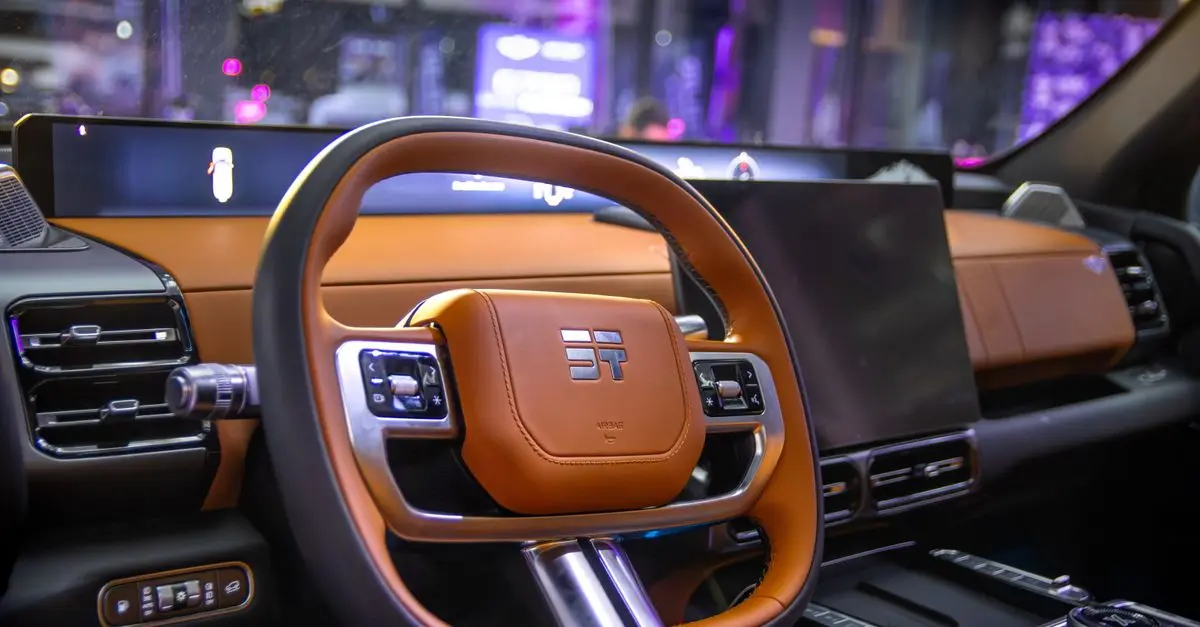
One of the most defining trends in 2026 is the development of immersive vehicle interfaces. These systems leverage augmented reality to project critical driving data directly onto the windshield, allowing drivers to maintain focus on the road while receiving real-time information. For example, BMW has introduced heads-up displays that not only showcase navigation but also highlight potential dangers in the environment by highlighting pedestrians or other vehicles. According to a report by Statista, 63% of drivers prefer AR systems for navigation over traditional interfaces, underscoring the demand for more engaging and intuitive driving experiences.
Moreover, companies like Porsche are implementing customizable displays that let users tailor their interface according to their preferences. As immersive interfaces become standard, we can expect further innovations that integrate smart home connectivity and personal assistant features, making driving seamless and connected.
2. Enhanced Safety Features through AI
Artificial Intelligence is playing a crucial role in enhancing safety features in modern vehicles. Advanced driver-assistance systems (ADAS) utilize AI algorithms to analyze the surroundings and predict potential hazards, significantly reducing the risk of accidents. According to a study by NHTSA, vehicles equipped with ADAS have shown a 30% decrease in accidents in urban areas.
Predictive analytics is being implemented to foresee mechanical failures before they occur, as Ford has developed systems capable of monitoring engine health and notifying drivers of necessary maintenance. These predictive systems not only improve safety but also reduce vehicle downtime, allowing for more efficient use of automobiles.
3. Virtual Reality for Training and Development
The use of virtual reality for training purposes in the automotive industry is gaining traction. Car manufacturers and dealers are employing VR simulations to train staff in repair and maintenance, eliminating the associated risks of hands-on training. A report by Deloitte indicates that organizations that use VR offer training that is 75% more efficient compared to traditional methods.
Moreover, consumers too can benefit, as augmented reality showrooms enable potential buyers to interact with and explore vehicles without physical presence. This adaptation not only streamlines the sales process but also enhances customer satisfaction through interactive experiences.
4. Increased Use of Cloud Technologies
The adoption of cloud technologies in the automotive sector has led to shared vehicle data that promotes smarter city planning and traffic management. Connected cars upload real-time data to cloud platforms, allowing for traffic flow optimization based on current road conditions. According to Gartner, cloud implementation in vehicles is projected to reach over 70% by 2028.
This interconnectivity enhances the ability of automotive manufacturers to analyze patterns and preferences, leading to more personalized services. As cities are transformed into smart environments, vehicles will become integral to urban infrastructure and mobility solutions.
5. Focus on Sustainability
In 2026, sustainability remains a priority within virtual automotive technology. The shift towards electric vehicles (EVs) is complemented by technologies aimed at reducing the environmental impact of the automotive sector. Virtual automotive technologies are being designed to optimize energy consumption and reduce waste by integrating mechanisms to assess and improve driving habits.
According to IEA, electric cars represented 15% of global car sales in 2025, showing a promising trajectory for eco-friendly alternatives. Innovations such as vehicle-to-everything (V2X) communication systems are also emerging, allowing vehicles to interact with traffic signals and other infrastructure to minimize energy use while driving.
Comparative Overview of Technologies
| Feature | Immersive Interfaces | AI Safety Features | VR for Training | Cloud Technologies |
|---|---|---|---|---|
| User Engagement | High | Moderate | High | Moderate |
| Safety Impact | Moderate | High | Low | Moderate |
| Efficiency Boost | Low | High | High | High |
| Adoption Rate in 2026 | 25% | 50% | 20% | 70% |
| Cost of Implementation | Moderate | High | Moderate | Low |
- What is virtual automotive technology?
Virtual automotive technology refers to innovations that enhance vehicle interaction, including AR, VR, and AI, improving user experience and safety.
- How does AI enhance vehicle safety?
AI enhances vehicle safety through advanced driver-assistance systems that analyze surroundings and predict hazards to prevent accidents.
- What role does VR play in automotive training?
VR provides immersive training experiences for technicians, allowing safe, hands-on practice without risks associated with real vehicles.
- How does cloud technology impact automotive data?
Cloud technology allows for real-time vehicle data sharing, enabling improved traffic management and personalization of services.


invisaWear Technologies Corporation Safety Classic Keychain - Gold Flower
sharperimage.com

Argon Technologies Inc., dba Klymit Rightline Gear Memory Foam Camp Pillow - Green - Large
sharperimage.com
Glossaire
| Terme | Définition |
|---|---|
| Réalité augmentée (AR) | Technologie qui superpose des informations numériques à la réalité physique. |
| Intelligence Artificielle (IA) | Simulation de processus d'intelligence humaine par des systèmes informatiques. |
| Technologies connectées | Systèmes qui permettent aux appareils de communiquer et d'échanger des données via Internet. |
📺 Pour aller plus loin : Explore Virtual Automotive Technologies, une analyse complète des tendances actuelles et futures. Recherchez sur YouTube : "trends in virtual automotive technology 2026".
🧠 Quiz rapide : What benefits do immersive interfaces provide?
- A) Increased fuel consumption
- B) Enhanced driver awareness
- C) Reduced maintenance needs
Réponse : B — Enhanced driver awareness through real-time data display.
In conclusion, with advancements in virtual automotive technology, we are witnessing a significant transformation in the way we perceive and interact with vehicles. As 2026 unfolds, staying aligned with these trends will ensure that consumers and stakeholders capitalize on the innovative technologies reshaping the automotive landscape. Don't miss out on exploring our selected product recommendations below to enhance your automotive experience.
📺 Pour aller plus loin : trends in virtual automotive technology 2026 sur YouTube
Recommended products
Selected by our experts
Pred Technologies USA Inc Fingerprint Padlock
sharperimage.com
This fingerprint padlock enhances vehicle security, allowing keyless access, which aligns with the innovative spirit of new automotive technologies.
invisaWear Technologies Corporation Safety Classic Keychain - Gold Flower
sharperimage.com
The safety keychain provides an essential safety feature for drivers on the go, integrating seamlessly with the connected vehicle experience.
Argon Technologies Inc., dba Klymit Rightline Gear Memory Foam Camp Pillow - Green - Large
sharperimage.com
A camp pillow is a definite must-have for long road trips, offering comfort which perfectly complements the immersive travel experience.

SIVACU black wireless Automobile Folding Vacuum Cleaner Hand-held High-power Strong Suction Vacuum Cleaner
shop.simon.com

SIVACU white wireless Automobile Folding Vacuum Cleaner Hand-held High-power Strong Suction Vacuum Cleaner
shop.simon.com