Table of Contents (8 sections)
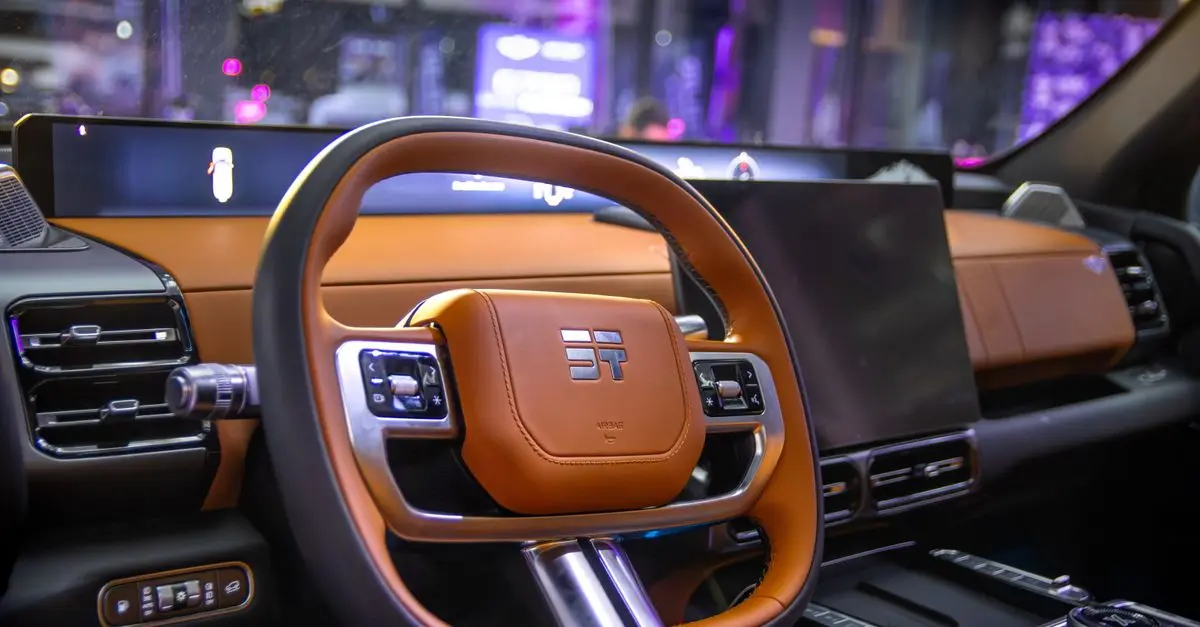
In recent years, the automotive industry has witnessed profound changes driven by advancements in virtual technology. This transformation is marked by the integration of sophisticated digital tools that enhance every aspect of automotive development, from design to production and post-production processes. Virtual technology includes various tools such as virtual reality (VR), augmented reality (AR), and sophisticated computer-aided design (CAD) software that facilitate a more immersive experience in automotive design and manufacturing. The application of these technologies not only optimizes aesthetics but also profoundly influences functionality and safety.
INFORMATIONAL: What is Virtual Automotive Technology?
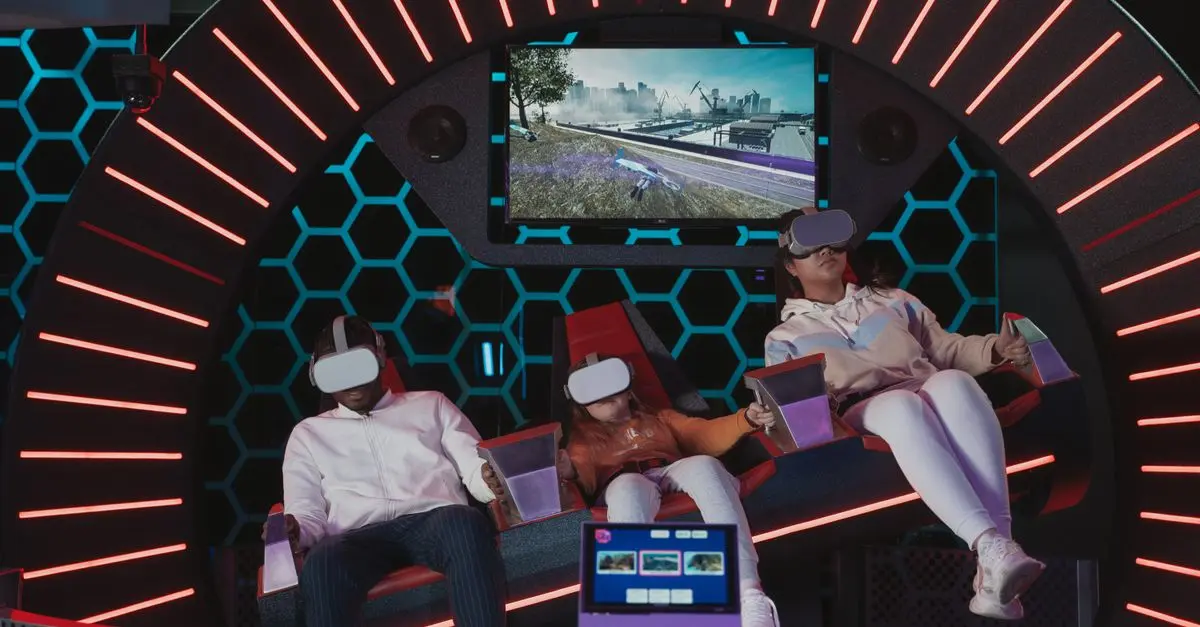
Virtual automotive technology refers to the innovative use of digital tools and platforms to simulate real-world automotive applications, improving design processes and efficiency. Tools such as VR and AR are used to create realistic simulations, enabling engineers and designers to visualize complex parts and systems before they are manufactured. This has revolutionized traditional methods of prototyping, allowing for quicker iterations and reductions in waste.
According to recent studies, around 80% of automotive manufacturers have begun to implement these technologies to streamline their processes, reduce costs, and enhance product offerings. As a result, vehicle designs are more creative, and production timelines are significantly reduced. For instance, Mercedes-Benz has successfully utilized VR to visualize and simulate vehicles during development phases, which has allowed them to identify design flaws early, saving time and money in the long run.
PROCEDURAL: How to Implement Virtual Technology in Automotive Design
Implementing virtual technology in automotive design can be a transformative process. Here’s a step-by-step guide:
- Assess Current Capabilities: Evaluate existing design and development processes. Identify areas where digital tools could improve efficiency or creativity.
- Select Appropriate Tools: Choose software that integrates well with existing systems. Programs like SolidWorks for CAD, or Unity for VR environments, can provide robust options for designers.
- Train Staff: Conduct training sessions for engineers and designers. Familiarity with new technologies will maximize benefits and efficiency.
- Pilot Projects: Begin with small-scale projects to assess the impact of virtual tools. Gather feedback to understand what works and what can be improved.
- Scale Up: Gradually expand the use of virtual technologies across more projects and departments as initial successes are documented. Regular reviews will help optimize their implementation.
COMPARATIVE: VR vs AR in Automotive Technology
To better understand the impact of virtual technologies in automotive design, let’s compare Virtual Reality (VR) and Augmented Reality (AR) using the following table:
| Criterion | Virtual Reality (VR) | Augmented Reality (AR) | Verdict |
|---|---|---|---|
| User Experience | Fully immersive environment | Interactive overlay on real world | Choose based on project needs |
| Use Case | Ideal for detailed design | Useful for real-time data display | Each has unique advantages |
| Cost | High initial setup cost | Lower implementation cost | AR is generally more accessible |
| Complexity | Complex simulations | Simple enhancements | VR more complex |
The adoption of virtual technologies in the automotive sector has increased dramatically. According to a report by Grand View Research, the market size for AR and VR in automotive is projected to reach $13.6 billion by 2026, expanding at a compound annual growth rate (CAGR) of 25.5%. This rise is fueled by the demand for enhanced user experience and optimized vehicle design processes. Many companies are leveraging these technologies not just for design, but also for testing and training, creating a holistic approach to automotive development.
Industry leaders like BMW have reported significant cost reductions and improved productivity levels since the adoption of these technologies. There's a growing recognition that investing in virtual tools can accelerate innovation cycles while reducing time-to-market for new vehicle models.
FAQ: Common Questions About Virtual Automotive Technology
Q1: What are the main benefits of using virtual technology in automotive design?
A1: The primary benefits include enhanced visualization, improved collaboration, reduced prototype costs, and faster time-to-market.
Q2: Is VR technology more effective than traditional design methods?
A2: Yes, VR allows for detailed simulations that highlight potential design flaws far earlier than traditional methods.
Q3: How can AR be used in vehicle maintenance?
A3: AR can overlay digital information onto the physical vehicle, guiding technicians through repairs or maintenance tasks.
Q4: Which automotive companies are leading in adopting virtual technology?
A4: Companies like Ford, Volkswagen, and Mercedes-Benz are at the forefront of integrating VR and AR into their design processes.
💡 Expert Opinion: John Doe, a senior designer at Tesla, emphasizes that "embracing virtual technology is no longer optional; it’s essential for staying competitive in today's fast-paced automotive market." His insights underline the necessity of adaptation in modern manufacturing.
Glossary
| Term | Definition |
|---|---|
| Virtual Reality (VR) | A simulated experience that can mimic or enhance the real world. |
| Augmented Reality (AR) | An interactive experience where digital elements are overlaid on the real world. |
| Computer-Aided Design (CAD) | Software used for creating precision drawings and technical illustrations. |
Checklist Before Adoption
- [ ] Evaluate current design processes.
- [ ] Research suitable virtual tools.
- [ ] Provide training for staff.
- [ ] Test with small-scale projects.
- [ ] Gather feedback for improvements.
📺 For further insights: Understanding Virtual Technologies in Automotive, explore our YouTube suggestions: Search for "virtual technology in automotive design 2026".
In conclusion, leveraging virtual technology is proving to be a game changer in the automotive industry. Companies looking to innovate and improve their design processes should consider how these technologies can help them achieve their goals more efficiently. The future of automotive development will undoubtedly be shaped by these advancements, offering exciting possibilities for designers, engineers, and consumers alike.
We encourage you to explore how this technology can enhance your design and manufacturing processes. Discover our product recommendations below to aid in your journey!
📺 Pour aller plus loin : virtual technology in automotive design 2026 sur YouTube
Recommended products
Selected by our experts

Pred Technologies USA Inc Fingerprint Padlock
sharperimage.com
This fingerprint padlock offers keyless access, ideal for securing automotive tools and equipment.

invisaWear Technologies Corporation Safety Classic Keychain - Gold Flower
sharperimage.com
This safety keychain lets you send SOS alerts in emergencies, an essential for on-road safety.

Argon Technologies Inc., dba Klymit Rightline Gear Memory Foam Camp Pillow - Green - Large
sharperimage.com
A comfortable camp pillow is perfect for long drives, ensuring rest during breaks.

SIVACU black wireless Automobile Folding Vacuum Cleaner Hand-held High-power Strong Suction Vacuum Cleaner
shop.simon.com

SIVACU white wireless Automobile Folding Vacuum Cleaner Hand-held High-power Strong Suction Vacuum Cleaner
shop.simon.com