Table of Contents (16 sections)
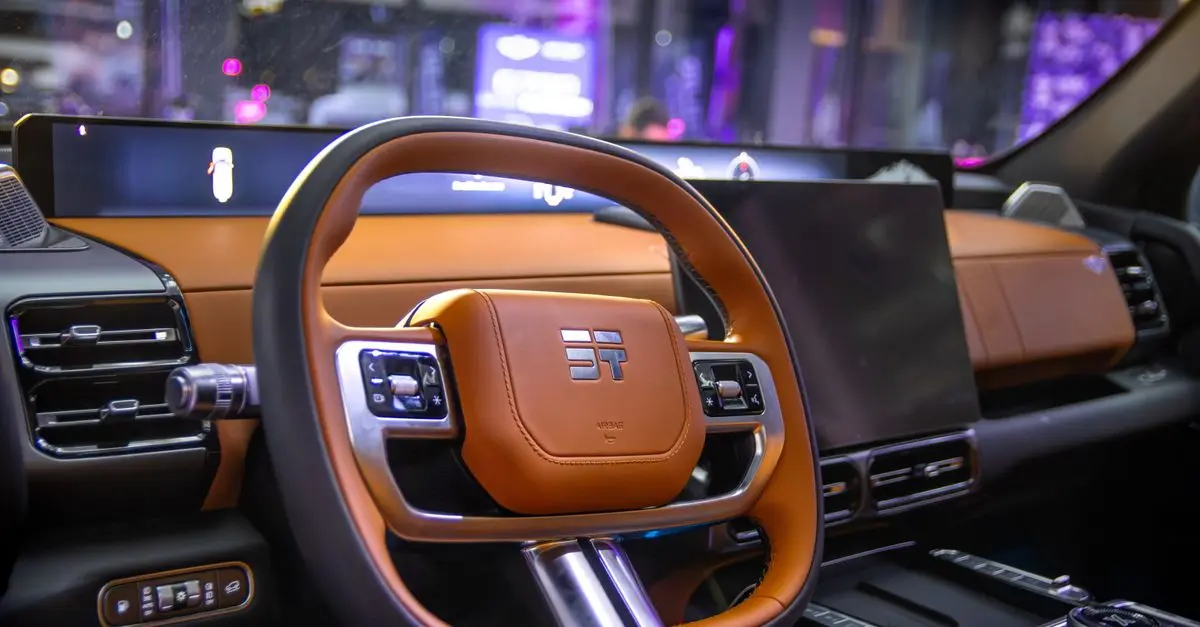
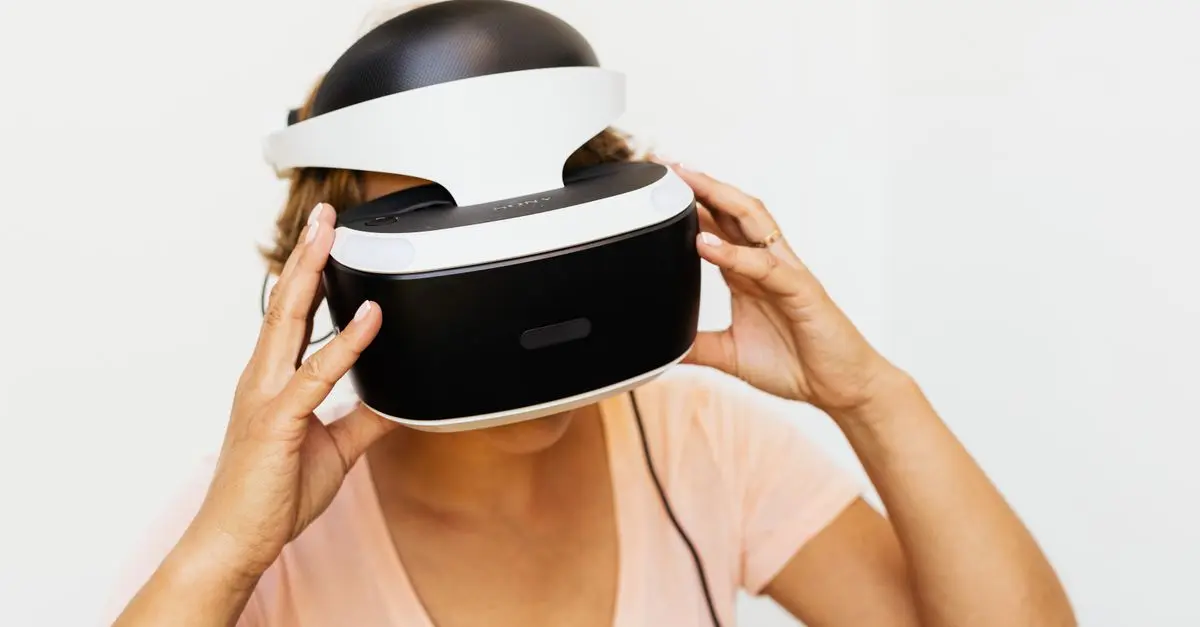
Virtual Reality (VR) is revolutionizing the automotive design process, allowing designers and engineers to create, visualize, and interact with models in a way that was once unimaginable. Technologie automobile virtuelle, the main focus of this article, is not just about creating flashy visualizations; it's about enhancing efficiency, reducing costs, and improving collaboration across teams. By immersing stakeholders in a virtual space, companies can identify potential issues early, refine designs more rapidly, and ultimately deliver better products to market.
In recent years, the automotive industry has begun to embrace VR, especially in the design phases. According to a survey conducted by Porsche in 2026, about 60% of automotive manufacturers reported incorporating VR into their design processes. This integration allows for a more nuanced understanding of how a vehicle will perform and look in the real world. For example, designers can walk around a 3D model of a car, examining every detail up close, something that traditional design techniques do not allow.
Moreover, VR technology integrates real-time feedback from engineers and designers, enabling adaptive design changes. This real-time collaboration means that even across different continents, teams can work together seamlessly to create the next generation of vehicles. The stakes are high; according to McKinsey, implementing VR can reduce design cycle times by up to 30%, allowing companies to bring their products to market faster than ever before.
How to Implement Virtual Reality in Automotive Design
Implementing VR into the automotive design workflow requires a strategic approach. Here’s a step-by-step guide on how to get started:
Step 1: Assess Your Needs
Before integrating any technology, it's crucial for companies to assess their specific needs and goals. Determine what problems you aim to solve with VR. Do you need a faster design cycle, improved team collaboration, or a more engaging way to present designs to stakeholders?
Step 2: Choose the Right VR Platform
There are several VR platforms available today, each with different capabilities. Some popular ones include Unity, Unreal Engine, and specialized automotive software like VRed. Choose a platform that best fits your project needs and budget.
Step 3: Train Your Team
Even the best tools can’t deliver results without the right skills. Training your designers and engineers to use these platforms efficiently is vital. Consider hosting workshops or bringing in VR specialists to kick-start the learning process.
Step 4: Create Initial Models
Start with basic models to get team members comfortable with the software. As confidence grows, begin incorporating more complex designs involving different vehicle components.
Step 5: Foster Collaboration
Encourage collaboration between departments to maximize the benefits of VR. Using VR, engineering, and design teams can engage in continuous dialogue, making real-time adjustments that can lead to substantial improvements in design quality.
Comparative Analysis of Traditional vs. VR Design Processes
To provide a clearer view of the advantages of VR in automotive design, here's a comparative analysis:
| Feature/Criteria | Traditional Design | VR Design |
|---|---|---|
| Visualization | 2D/3D Models on Screens | Immersive 3D Environments |
| Feedback Loop | Sequential | Real-Time Collaboration |
| Design Assessment | Limited to Physical Models | Interactive Virtual Walkthroughs |
| Cost Implication | Higher Due to Prototyping | Lower through Digital Prototypes |
| Speed of Production | Slower Design Cycles | 30% Faster with VR |


Understanding UK Welfare Rights and Benefits
Alison US CA
Sponsored by Parfumerie exclusive
Data-Driven Analysis on Trends and Benefits of VR in Automotive Design
The adoption of VR technology in all sectors, especially automotive design, shows significant growth. In fact, a report by Deloitte in late 2025 indicated that the automotive industry is set to witness a 30% increase in VR utilization by 2027. Here are some statistics that underline these trends:
- 72% of automotive startups believe VR is crucial for product development.
- Companies using VR report increased ROI of over 20% due to reduced costs in prototyping and enhanced design accuracy.
- Companies involved in VR found that 80% of stakeholders felt more confident in proposed designs thanks to the immersive experience.
These figures clearly indicate that VR is not just a trend but a transformative force in the automotive sector. The benefits accompany a more engaging design process that empowers teams and increases customer satisfaction.
FAQs about Virtual Reality in Automotive Design
Q1: What is virtual reality in automotive design?
A1: Virtual reality in automotive design refers to the use of immersive 3D technology to visualize, explore, and interact with vehicle designs before they are built.
Q2: How does VR enhance the design process?
A2: VR enhances the design process by allowing real-time collaboration among teams, facilitating immediate feedback, and showcasing designs in an interactive environment.
Q3: What are the potential cost savings of using VR in automotive design?
A3: Companies can save costs by reducing the need for physical prototypes, dramatically decreasing design cycle times, and improving overall design accuracy.
Q4: How can my team get started with VR?
A4: Start by assessing your needs, choosing a suitable VR platform, training your team, and beginning with simple models to build confidence.
Glossary
| Terme | Définition |
|---|---|
| Virtual Reality | A simulated experience that can be similar to or completely different from the real world. |
| Prototyping | The process of creating a preliminary model of a product to test its design and functionality. |
| Immersive Design | A design process that fully engages users in a virtual environment, enabling them to interact with the design. |
Checklist before Implementation
- [ ] Assess the specific needs of your team
- [ ] Choose the appropriate VR platform
- [ ] Train employees on VR software
- [ ] Start with basic models for practice
- [ ] Encourage collaboration among different teams
📺 To go further: How Virtual Reality is Changing Automotive Design, an in-depth look into how VR is revolutionizing automotive design processes. Search on YouTube:
virtual reality automotive design 2026.
🧠 Quick Quiz: What is the main advantage of using VR in automotive design?
- A) Longer Design Cycles
- B) Higher Prototype Costs
- C) Real-Time Feedback and Iteration
Answer: C — Real-time feedback allows for faster iterations and improved collaboration.
📺 Pour aller plus loin : how virtual reality is changing automotive design 2026 sur YouTube
Recommended products
Selected by our experts
Understanding UK Welfare Rights and Benefits
Alison US CA
Sponsored by Parfumerie exclusive